
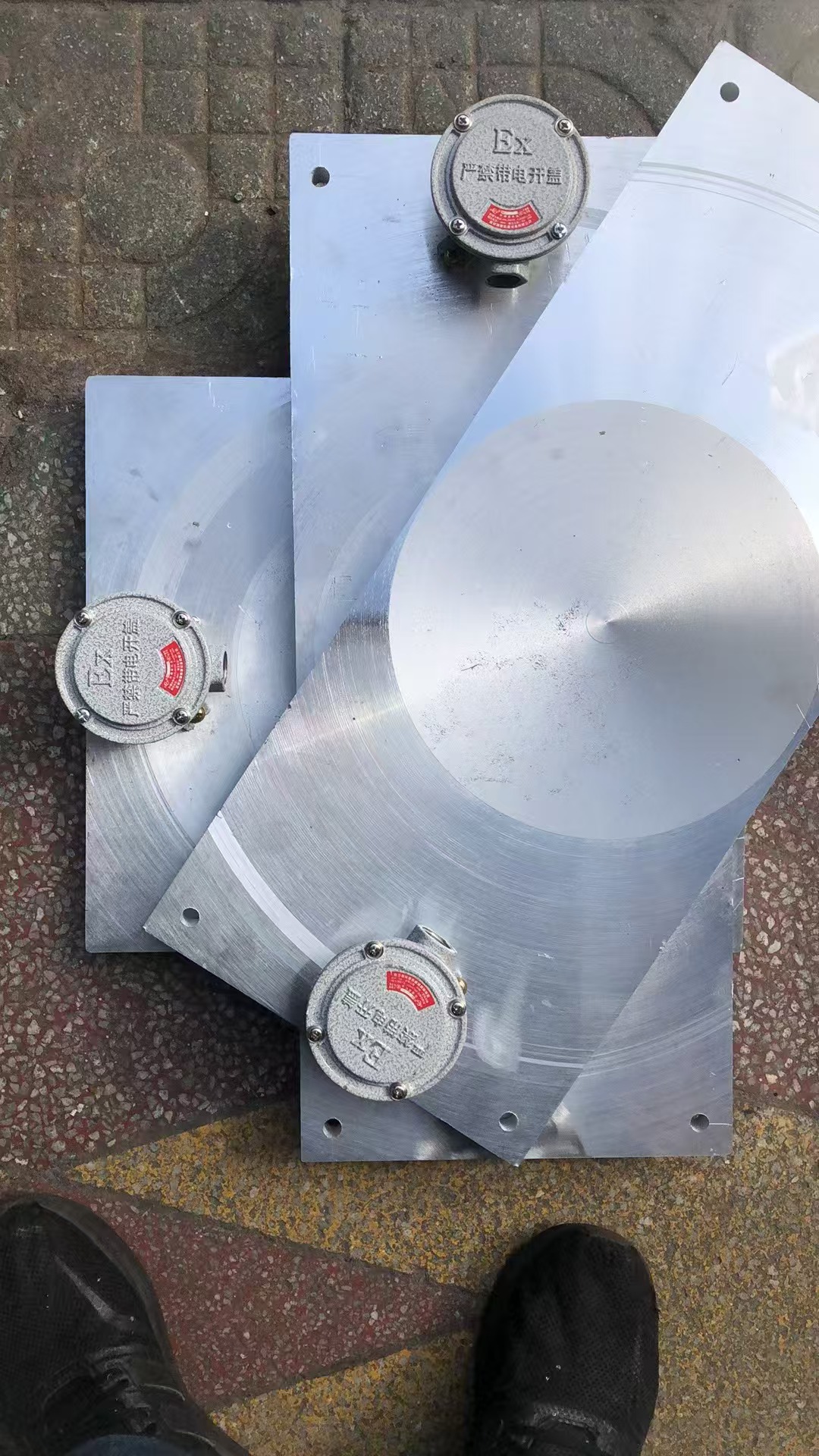
When facing heating needs for molds, platforms, or tank bottoms, first confirm the flatness and dimensions of the surface to be heated. Electric heating plates are planar heating elements; after power is applied, the entire plate surface heats up, providing a larger heat conduction area when fitted and relatively uniform temperature distribution. If the surface to be heated has curvature or unevenness, heat conduction efficiency will decrease, and adaptation solutions need to be discussed with the manufacturer during selection.
Common structures in China include thin-shell type, cast plate type, tubular element type, and tubular element cast plate type. The thin-shell type has a simple structure, with power mostly below 800W; the cast plate type has high mechanical strength and is not easily deformed, suitable for most industrial scenarios; the tubular element type has a large heat transfer area; the tubular element cast plate type casts tubular elements into an alloy plate, offering a longer lifespan and suitability for environments with vibration. Design and selection personnel can match according to equipment working conditions.
In industrial equipment, injection molding machine barrels, extruders, chemical reactors, and pipeline heat tracing often use electric heating plates; laboratories use them for sample digestion, boiling and acid evaporation, and constant-temperature incubation, and they can be paired with graphite or ceramic panels, complying with standard methods such as HJ 781 and GB 5009; they are also applied in new energy vehicle battery thermal management systems, far-infrared radiant heaters, semiconductor temperature control platforms, and medical disinfection equipment. Specific technical parameters are subject to the product nameplate and manual.

