
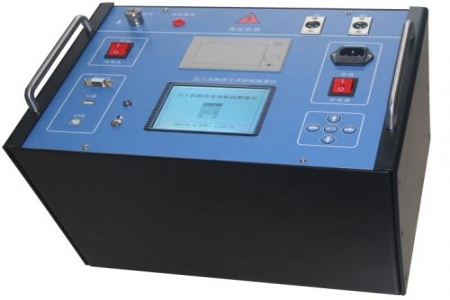
When evaluating electric heating plates, procurement personnel often encounter feedback that edge temperatures are lower than the center and that temperature fluctuations exceed the process window. The JRQ-880 industrial electric heating plate addresses such issues through parameter-level adjustments in structural design and temperature control configuration. Compared with conventional heating plates in which resistance wires are directly cast, this model combines a thick-film heating element with a microcrystalline glass panel, so the heating layer is distributed more evenly and the temperature difference across the panel surface can be controlled within process requirements; in precision temperature control scenarios, together with a PID intelligent temperature control module, it offers a display resolution of 0.2°C and temperature control accuracy of up to ±0.2°C, which is of reference value for operations sensitive to temperature deviation, such as semiconductor preheating and drying of trace-analysis samples.
Conventional electric heating plates mostly use resistance wires embedded in cast aluminum or ceramic substrates; they heat up quickly, but the temperature difference between edge and center is relatively pronounced, making them suitable for mold preheating and general drying processes that do not require high temperature uniformity. The JRQ-880 industrial electric heating plate uses microcrystalline glass as the working surface, with the thick-film heating layer applied by screen printing; its thermal inertia is lower and its temperature response is smoother, so in laboratory sample processing or small mold preheating that require stable temperature control, the temperature fluctuation range is narrower. During procurement, selection and comparison can be made based on the temperature deviation allowed by the process, heating time requirements, and tabletop dimensions; power density alone should not be used as the sole criterion.
The working surface dimensions, rated voltage, and power configuration of this model can be adjusted according to the installation space and the object to be heated; the temperature control method supports PID regulation, and the sensor interface is compatible with common thermocouple types. The panel temperature resistance grade and insulation structure are designed for industrial environments, making it suitable for scenarios such as laboratory sample drying, industrial mold preheating, and insulation of small reaction vessels. For semiconductor auxiliary heating or trace-analysis pretreatment that require higher temperature uniformity, it is recommended to provide the specific temperature curve and load conditions before procurement so that the power margin of the heating plate and the matching of the temperature control module can be verified.
During selection, it is necessary to confirm the installation method, tabletop dimensions, power supply conditions, and whether an external temperature control instrument is required. The JRQ-880 industrial electric heating plate provides conventional wiring terminals and sensor interfaces, making it easy to integrate into existing control cabinets. If the process has explicit requirements for heating rate, calculations should be made based on load heat capacity and heating plate power density to avoid extended heating time caused by insufficient power margin. Product parameters are subject to the factory technical documents; dimension drawings and electrical connection instructions can be requested for verification before procurement.