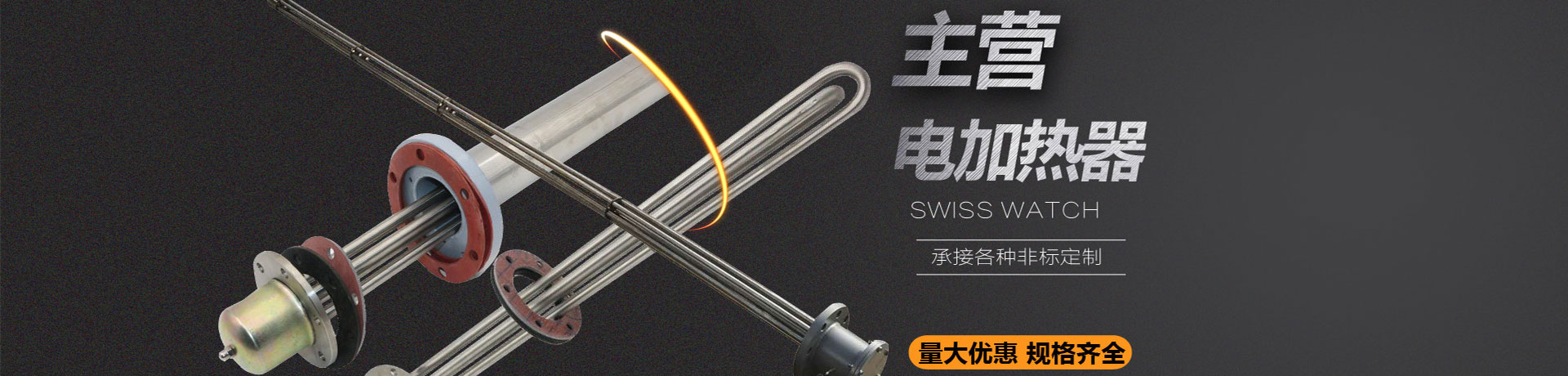
Temperature fluctuations in injection molding machine barrels, localized reddening on the surface of heating rings, and premature aging of insulation at wiring terminals are several phenomena that procurement personnel frequently encounter during workshop inspections. After equipment shutdown and troubleshooting, it is often found that the problem does not lie in the temperature controller, but rather in the mismatch between the heating ring's selection parameters, installation clearance, or supply voltage and the actual operating conditions. The following provides a point-by-point explanation of the questions most commonly asked during the procurement process.
Electric heating rings are designed and manufactured according to rated voltage. When the operating voltage is consistently more than 10% above the rated value, the resistance wire temperature rises, the oxidation rate accelerates, and service life is correspondingly shortened; when the voltage is too low, heating is insufficient, affecting the process cycle. When the measured workshop voltage does not match the nameplate voltage, the actual power supply conditions should be specified before ordering, and the supplier should calculate the resistance wire parameters. The DJR-920 ceramic electric heating ring can be customized according to on-site voltage, avoiding premature failure caused by long-term overvoltage operation. Procurement personnel may require the supplier to provide corresponding data on rated voltage, power, and resistance values as a basis for acceptance.
Ceramic heating rings have a typical operating temperature of 300–700°C, with high temperature resistance, corrosion resistance, and thermal shock resistance, making them suitable for high-temperature extrusion, highly corrosive materials (such as PVC), and food and pharmaceutical grade equipment; cast aluminum heating rings have an operating temperature not exceeding 450°C, with fast heat conduction and easy installation, and are mostly used in conventional injection molding machines, extruders, and packaging machinery; stainless steel mica rings have a uniform heating surface and thin structure, suitable for space-constrained applications and retrofitting old equipment; silicone rubber heating rings are flexible and suitable for irregular barrels and small equipment. Selection should first confirm the barrel material, target temperature, and installation space, then compare against the temperature limits of each structure type; price alone should not be the sole basis for choice.
The shell is commonly made of stainless steel or galvanized sheet; in corrosive environments or where thermal conductivity efficiency is required, cast aluminum or cast copper structures may be selected to improve thermal conductivity efficiency and mechanical strength. During installation, the inner diameter of the heating ring should fit closely against the outer wall of the barrel; excessive clearance will lead to poor heat transfer and elevated surface temperatures; fastening bolts should not be over-tightened on one side, to avoid deformation of the ring body. Wiring terminals should be fitted with protective covers, and lead wires should avoid direct contact with high-temperature zones.