
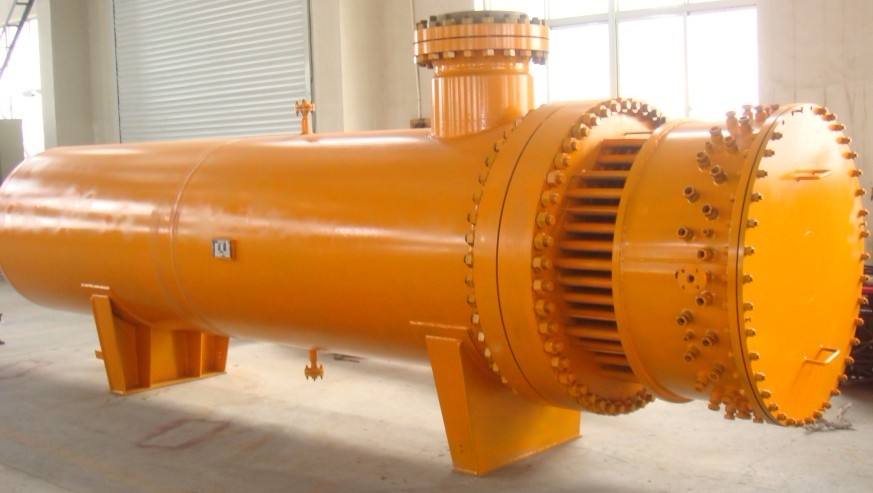
The BR-42 plate-and-frame heat exchanger differs significantly in structure from shell-and-tube heat exchangers. Shell-and-tube units rely on heat transfer through the walls of the shell side and tube side, while plate-and-frame units form flow channels by stacking multiple corrugated plates, with the medium flowing alternately between adjacent plates. Under the same pressure drop conditions, plate-and-frame units generally achieve a higher heat transfer coefficient, and they are also easier to disassemble and clean.
Gasket material directly affects sealing reliability and service life. Nitrile is suitable for media such as water and mineral oil, with a conventional operating temperature of approximately -20°C to 100°C; EPDM has good resistance to hot water and steam, with an upper temperature limit of approximately 150°C; fluoroelastomer resists acids, alkalis, and organic solvents, covering -20°C to 200°C. During selection, the gasket should be matched according to the medium type, concentration, and operating temperature to avoid leakage caused by gasket swelling or aging.
When purchasing plates or gaskets, the plate model, corrugation pattern, and gasket material must be specified to ensure consistency with the original equipment. Different corrugation patterns have different heat transfer characteristics and pressure drops, and mixing them may affect heat exchange performance. It is recommended to retain the original selection parameter table for future verification.
Technical selection requires the medium name, concentration, inlet and outlet temperatures, flow rate, allowable pressure drop, working pressure, corrosiveness, and the on-site hazardous area classification. If the above data are incomplete, it is recommended to perform a process calculation first before determining the model.
The BR-42 is suitable for scenarios such as HVAC, chemical cooling, and food sterilization. During installation, pay attention to the plate arrangement order and clamping dimensions, and regularly check pressure drop changes during operation. When the pressure drop rises significantly, arrange for cleaning.

