
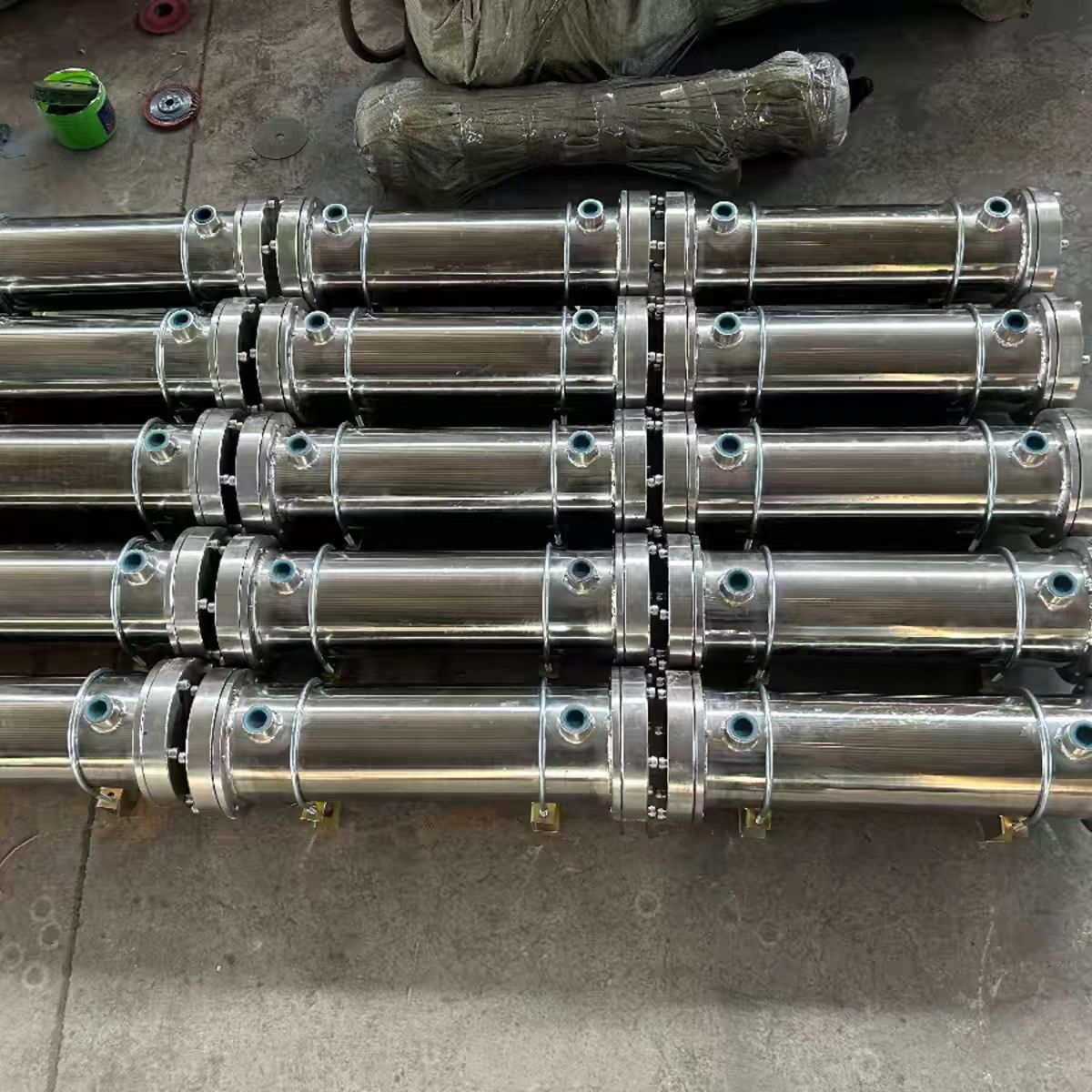
Hydraulic station oil temperature is on the high side, yet the finned tube surface is covered with oil fouling, and heat dissipation performance declines—such problems are often related to insufficient consideration of medium characteristics or inadequate heat exchange area margin during model selection. The following is a Q&A on the application of plate-frame fin heat exchangers from the perspective of a technical engineer.
For non-corrosive media such as hydraulic oil and clean water, carbon steel fins may be selected. For media containing chloride ions or weakly acidic media, stainless steel 304 is preferable. For strongly corrosive working conditions, 316L material is recommended. Material selection directly affects equipment service life and maintenance cycles.
Calculate the required heat exchange area based on heat load and inlet/outlet temperature difference, then determine the number of plates according to the frame plate specifications. Heat load and temperature difference together determine the area, and it must not be estimated based only on experience.
It is suitable for scenarios such as hydraulic oil cooling, flue gas waste heat recovery, and HVAC water systems. In hydraulic oil cooling, attention must be paid to the oil-side fouling factor; in flue gas waste heat recovery, dew point corrosion must be considered; in HVAC water systems, water quality and pressure drop must be noted.
Ensure smooth ventilation on the fin side and avoid obstruction. Sealing gaskets between plates should be selected according to temperature and medium compatibility. Regularly check pressure drop changes; an abnormal increase in pressure drop may indicate scaling or blockage.

