
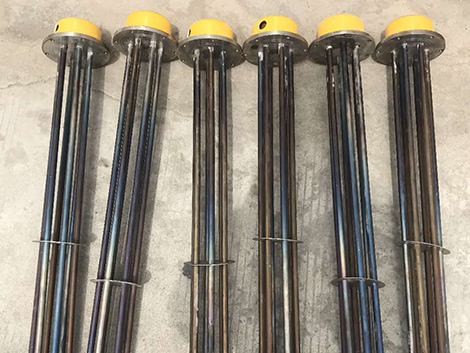
In on-site operation and maintenance, the GCH-180 shell and tube heat exchanger is commonly used for HVAC circulating water, hydraulic oil cooling, and chemical intermediate heat exchange. Under certain operating conditions, pitting leakage occurs in the tube bundle, affecting continuous operation. The problem mostly stems from selecting materials uniformly based on the main material during model selection, without distinguishing the medium characteristics of the tube side and shell side, which easily causes localized corrosion under chloride-containing conditions.
The tube bundle of this model can be made of carbon steel, 304, or 316L stainless steel, and the shell material can differ from the tube bundle. The design pressure is 1.6 MPa, the design temperature is -20°C to 150°C, and the heat exchange area is 1.5 to 12 square meters. Operation and maintenance personnel can verify the materials separately according to the tube-side and shell-side media to reduce the risk of pitting corrosion.
The allowable pressure drop range is 0.02 to 0.05 MPa, and the connection diameter is DN50 to DN150. During on-site installation, it is recommended to check the deviation between the circulating water flow rate and the design value. If the deviation is too large, it can be controlled by adjusting the nozzle or installing a regulating valve to avoid excessively low flow velocity that aggravates scaling.
Regularly check the temperature difference between the inlet and outlet of the shell side and tube side, and record pressure drop changes. If the pressure drop continues to rise, the tube bundle can be scheduled for cleaning. For sealing gaskets, it is recommended to use nitrile or fluororubber according to the medium characteristics, and when replacing, pay attention to tightening diagonally and evenly.

