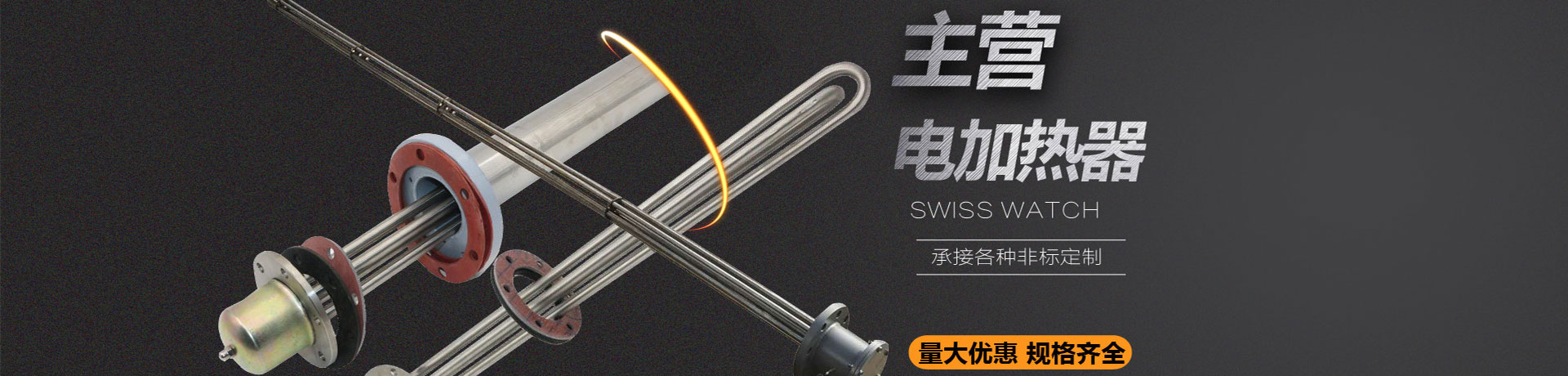
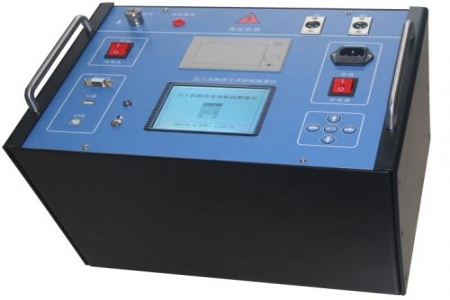
When reviewing on-site operation records, it is often found that furnace temperature uniformity deteriorates and the surface of resistance wires oxidizes and spalls, which is usually related to long-term overheating or atmosphere attack of the elements. Clarifying the following key points during the selection stage can help procurement personnel reduce unplanned shutdowns during subsequent use.
First confirm the required maximum working temperature and the commonly used temperature range. Resistance wire elements oxidize faster under long-term high temperature, and a reduced cross-section will cause the resistance value to change; when it exceeds the allowable range, elements of the same specification should be replaced. Whether the heat medium is air, protective atmosphere, or a vacuum environment directly affects the selection of furnace lining materials and heating elements.
Provide the maximum single-load weight and workpiece dimensions to determine the effective furnace chamber size and load-bearing structure. Also specify the workshop power supply voltage and number of phases, as well as the installation space constraints of the furnace body, to avoid the equipment being unable to be positioned or insufficient power capacity after arrival.
According to process management requirements, clarify whether a recorder or remote monitoring interface is needed. If data retention is required, the signal type and communication protocol should be specified during inquiry so that configuration can be completed before delivery.
During selection, comprehensive comparison of element life, replacement cycle, and energy consumption level is required. The impact of different element forms such as resistance wire, resistance strip, or silicon carbide rods on operating costs should be evaluated in combination with process temperature and atmosphere conditions.