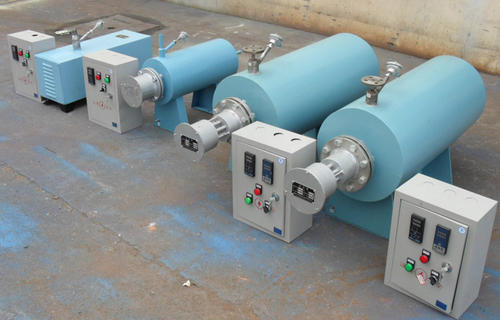
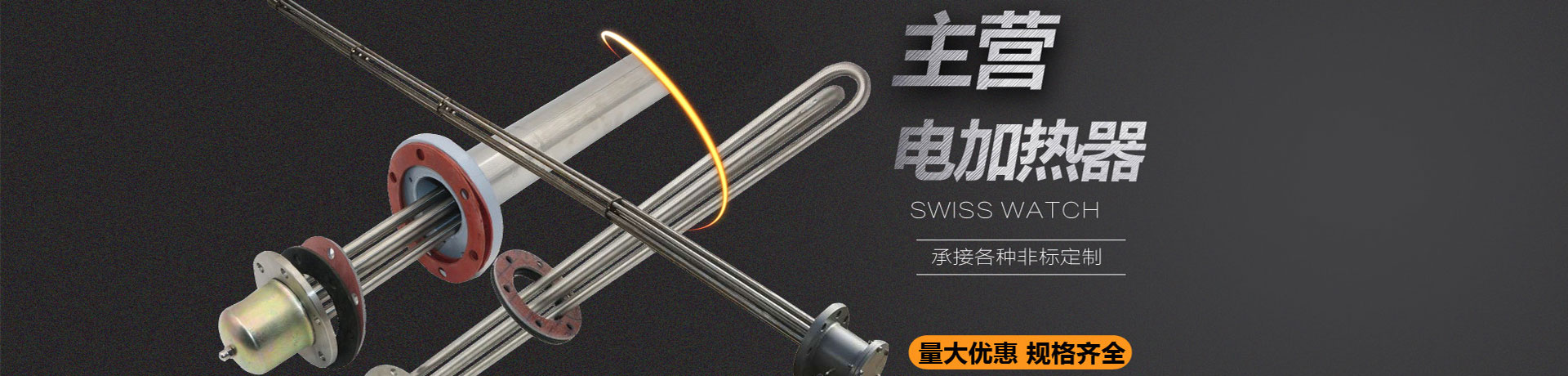
Mold electric heating tubes, as efficient and precise heating elements, play a crucial role in modern manufacturing. They not only ensure uniform and precise control of mold surface temperature but also directly affect the quality of final products and production efficiency. This article will detail the working principle, technical features, and application scope of mold electric heating tubes.
Working Principle
The working principle of mold electric heating tubes is based on Ohm's law. When current passes through the resistance wire, it generates heat. By precisely controlling the current and voltage, the temperature of the heating tube can be adjusted, achieving uniform heating of the mold. Heating tubes typically contain an internal resistance wire enclosed in a metal tube and filled with good insulating material, such as magnesium oxide powder, to ensure thermal efficiency and safety during the heating process.
Technical Features
The main technical features of mold electric heating tubes include
Precise Temperature Control: Enables precise control of mold surface temperature.
Uniform Heating: Ensures uniformity of mold surface temperature through optimized design.
Fast Response: Can reach the required heating temperature in a short time.
Long Lifespan: Uses high-quality materials and manufacturing processes to ensure long-term use.
Easy Integration: Can be conveniently integrated into existing manufacturing systems.
Safe and Reliable: Equipped with multiple safety protection measures, such as overheat protection.
Application Scope
Mold electric heating tubes have wide applications in multiple industries, including but not limited to:
Plastic Molding: In injection molding, blow molding, and extrusion molding, heating tubes ensure plastic raw materials reach the ideal melting temperature, improving molding quality.
Metal Processing: Used for preheating treatment of metal sheets to improve processing performance.
Electronics Manufacturing: Used for precise temperature control during semiconductor packaging.
Food Processing: Used as heating elements in baking equipment.
Medical Devices: Used as heating components in the manufacturing of precision medical instruments.
Selection Criteria
When ordering mold electric heating tubes, the following points should be considered:
Mold Hole Diameter Matching: Ensure the inner diameter of the heating tube matches the diameter of the mold hole to ensure good heat transfer.
Power Requirements: Select the appropriate power level based on heating needs to ensure heating efficiency.
Material Selection: Choose suitable heating tube materials, such as stainless steel, copper, aluminum, etc., based on the usage environment.
Temperature Control Accuracy: Choose products with high-precision temperature control capabilities to meet specific manufacturing needs.
Safety Protection: Confirm whether the heating tube has necessary safety protection measures, such as dry-burn protection and leakage protection.
Conclusion
Mold electric heating tubes play an important role in modern manufacturing due to their excellent performance and reliability. By understanding their working principle, technical features, and application scope, users can better select products that suit their needs and ensure efficient and safe completion of heating tasks.
Please adjust the content of this article according to your specific needs, and if you need more detailed information or specific data, feel free to let me know.