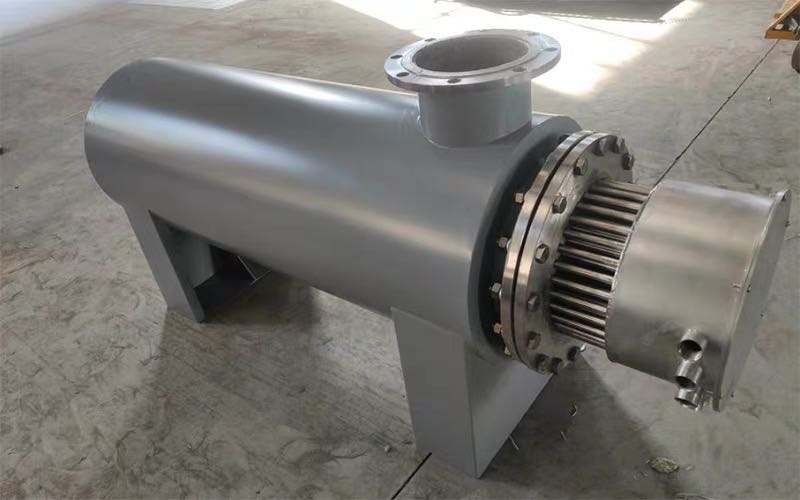
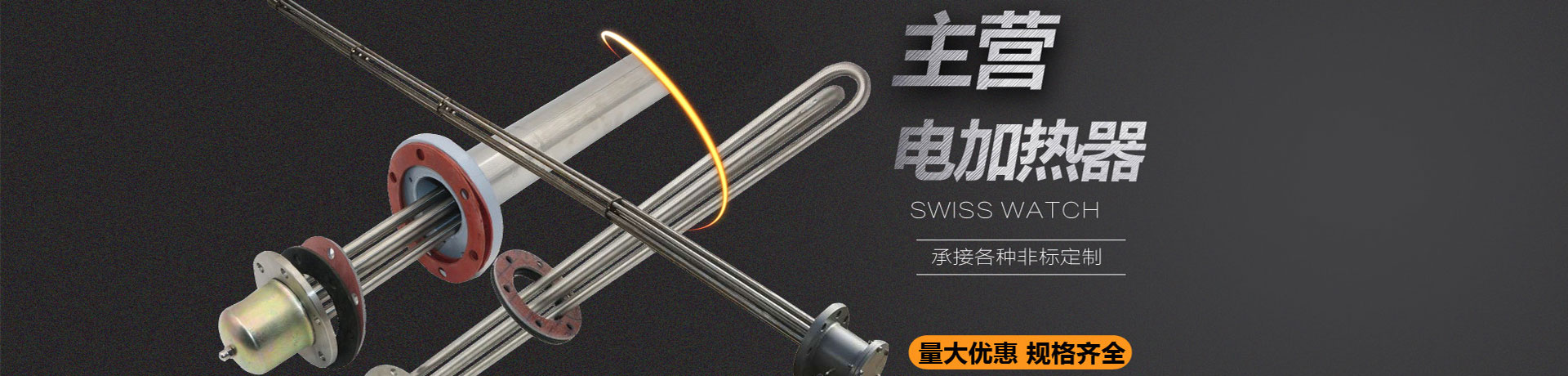
An electric heating coil is a widely used heating element that heats objects by converting electrical energy into thermal energy. It is favored by many industries for its compact structure, high heating efficiency, and easy installation. This article will introduce the basic principles, construction, application fields, and precautions for use of electric heating coils.
Basic Principles of Electric Heating Coils
Electric heating coils operate based on the principle of resistance heating. When current passes through a resistive material, electrical energy is converted into thermal energy due to the resistance. The resistive material in an electric heating coil is typically made of electric heating alloy wire, which has good resistance characteristics and can heat up quickly when energized.
Construction
The construction of an electric heating coil mainly includes the following parts:
Heating element: Usually made of nickel-chromium alloy wire or other alloy materials with high resistivity.
Insulation material: Common insulation materials include mica, ceramics, or magnesium oxide powder, which not only provide good insulation performance but also withstand high temperatures.
Shell: Usually made of stainless steel or other heat-resistant metals, serving as protection and as a heat transfer medium.
Application Fields
Electric heating coils are widely used in multiple fields:
Industrial heating: Used in plastic processing machinery, food processing equipment, chemical reactors, etc.
Household appliances: Such as electric kettles, coffee makers, ovens, etc.
Laboratory equipment: Used for heating experimental containers such as beakers, test tubes, etc.
Precautions for Use
Voltage matching: Ensure that the working voltage of the heating coil matches the supply voltage to avoid damage due to overvoltage or undervoltage.
Insulation inspection: Regularly check the insulation performance of the heating coil to prevent leakage risks.
Temperature control: Use a thermostat to control the working temperature of the heating coil to avoid safety hazards caused by overheating.
Cleaning and maintenance: Regularly clean dust and dirt on the heating coil to maintain good heat transfer performance.
Maintenance and Care
Avoid mechanical damage: Avoid mechanical damage to the heating coil during installation and use.
Prevent moisture: Ensure the heating coil is in a dry environment to avoid insulation degradation due to moisture.
Regular replacement: Replace heating coils that have reached their service life in a timely manner to ensure heating efficiency and safety.
Conclusion
Electric heating coils have become an indispensable part of modern industry and household appliances due to their high efficiency and reliability. Correct selection and reasonable use of electric heating coils can not only improve heating efficiency but also extend the service life of equipment and ensure operational safety. With technological development, electric heating coils will play an important role in more fields in the future.