
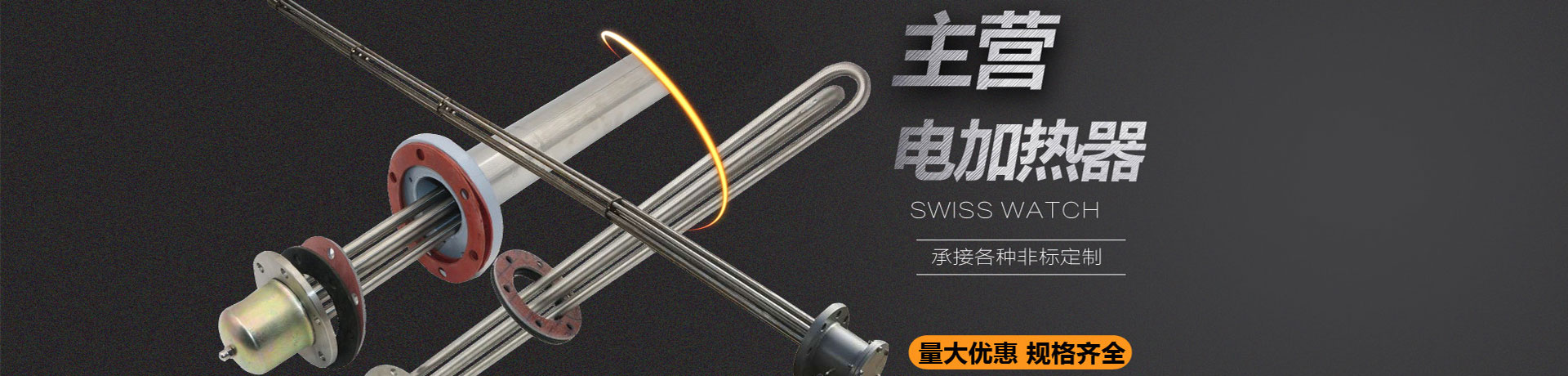
SRM Mold Heater
Introduction
The SRM mold heater is a tubular electric heating component specifically designed for heating metal molds. This heater is widely used in industries such as plastic molding and rubber molding, where precise control of mold temperature enhances production efficiency and product quality. The SRM mold heater is popular in the industrial heating field due to its high efficiency, energy saving, and durability.
Working Principle
The working principle of the SRM mold heater is based on resistance heating. When current passes through the heating element, heat is generated due to the presence of resistance, and this heat is transferred to the mold to achieve the heating purpose. The heating element is typically a resistance wire made of materials such as nickel-chromium alloy, enclosed in a stainless steel tube and filled with a powder that has good thermal conductivity.
Technical Features
Efficient Heating: Fast heating speed, capable of quickly reaching the set temperature.
Precise Temperature Control: Can precisely control the mold temperature to ensure consistency in the production process.
Compact Structure: Small size, easy to install in molds.
High-Temperature Resistant Materials: Made of high-temperature resistant materials, capable of withstanding long-term high-temperature working environments.
Stranded Flexible Leads: The lead wires are made of stranded flexible wires for easy connection and maintenance.
Easy Maintenance: Designed with maintenance convenience in mind, easy to replace and repair.
Application Scenarios
Plastic Molding: Used for heating molds in plastic molding equipment such as injection molding machines and extruders.
Rubber Molding: Used for heating molds in rubber molding equipment such as vulcanizing machines.
Composite Material Molding: Used for mold heating during the composite material molding process.
Precision Machining: Used to heat molds during the machining of precision parts to improve machining accuracy.
Usage Steps
Preparation Stage: Ensure the mold heater is correctly installed on the mold and the power circuit is connected.
Set Temperature: Set the heater temperature according to the requirements of the production process.
Start Heating: Start the heater and wait for the mold to reach the set temperature.
Monitor Temperature: Use the temperature control system to monitor the mold temperature and ensure it remains within the set range.
Turn Off Heating: After completing the heating task, turn off the heater and cool the mold as needed.
Usage Precautions
Safe Operation: When operating the SRM mold heater, always follow all safety regulations, especially when handling high-temperature molds.
Correct Installation: Ensure the heater is correctly installed on the mold to avoid uneven heating or damage to the mold due to improper installation.
Avoid Interference: Minimize external interference, especially during the heating process, to ensure the heating effect.
Regular Maintenance: Regularly maintain and inspect the heater, such as cleaning dust and impurities around the heating element, to keep it in optimal performance.
Conclusion
The SRM mold heater plays an important role in the industrial heating field due to its efficient heating performance and precise temperature control capability. With technological advancements, future SRM mold heaters will become more intelligent and efficient, providing stronger technical support for industries such as plastic molding and rubber molding.
I hope this article provides you with a comprehensive understanding of SRM mold heaters. If you have any specific questions or need further information, please feel free to let me know.