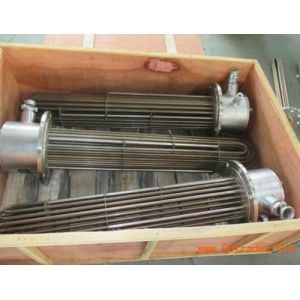

Efficient heating refers to the process of heating a solution to the required temperature in a relatively short period of time. This heating method has wide applications in fields such as the chemical industry, laboratories, and wastewater treatment. This article will explore the working principles, characteristics, applications, and how to select and use efficient heating equipment.
Working principles of efficient heating
Efficient heating typically employs advanced heating technologies, such as infrared heating, electromagnetic heating, or direct electric heating, to ensure rapid energy transfer and uniform distribution. These technologies can minimize heat loss and improve heating efficiency.
Characteristics of efficient heating
Rapid heating: can quickly heat the solution to the required temperature in a short time.
Uniform heating: ensures even heat distribution in the solution, avoiding local overheating.
Energy-efficient: uses advanced heating technology to effectively reduce energy consumption.
Easy to control: the heating temperature can be easily adjusted through a precise temperature control system.
Safe and reliable: equipped with safety devices such as overheat protection to ensure safe operation.
Factors to consider when selecting efficient heating equipment
Heating speed: choose equipment with fast heating speed according to actual needs.
Heating uniformity: ensure the solution is heated evenly.
Energy efficiency: consider energy consumption and operating costs.
Ease of operation: choose heating equipment that is easy to operate and maintain.
Durability: choose heating equipment with sturdy and wear-resistant materials to ensure long-term use.
Steps for using efficient heating equipment
Preparation:
Clean the heating container to ensure there is no debris.
Check that the heating equipment is intact and all parts are correctly installed.
Prepare necessary safety protective equipment, such as fire-resistant clothing and protective goggles.
Start the heater:
Start the heater according to the instructions in the equipment manual.
Adjust the working parameters of the heater, such as temperature and heating speed.
Heating process:
Place the heater in the solution container, ensuring the contact surface is flat.
Monitor the heating process and adjust the position or parameters of the heater if necessary.
Observe the temperature changes of the solution to ensure the expected effect is achieved.
Safe operation:
Maintain a certain distance during the heating process to avoid direct contact with the heater.
Regularly check the working status of the heater to ensure safe operation.
After heating is completed, turn off the heater in the correct order and place it in a safe place to cool down.
Maintenance and care:
Regularly clean the exterior and interior of the heater to remove residues.
Check whether the various parts of the heater are worn or damaged, and replace them in a timely manner.
When storing the heater, pay attention to moisture and dust prevention.
Application cases
Case 1: Efficient heating in the chemical industry
Background: In chemical reactions, the solution needs to be heated to a specific temperature to promote the reaction.
Solution: Use an efficient heater for rapid heating.
Result: Improved reaction efficiency and reduced energy consumption.
Case 2: Precise heating in the laboratory
Background: In the laboratory, precise temperature control of the solution is required.
Solution: Adopt an efficient heater with precise temperature control function.
Result: Achieved precise heating of the solution, contributing to the accuracy of experimental results.
Conclusion
Efficient heating equipment plays an important role in fields such as the chemical industry, laboratories, and wastewater treatment due to its characteristics of rapid heating, uniform heating, and energy efficiency. By reasonably selecting and using efficient heating equipment, not only can work efficiency be improved, but also the safety and accuracy of the heating process can be ensured.
I hope this article can provide you with detailed information about efficient heating equipment and its applications. If you need more details or have other specific questions, please feel free to let me know.