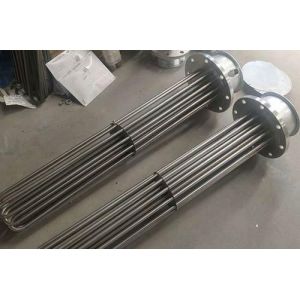
Mechanical and Building Material Processing: Technological Innovation and Application
To help you better understand the relevant content in the field of mechanical and building material processing, I will write a brief article outlining some key points and development trends in these two areas.
Mechanical and Building Material Processing: Technological Innovation and Application
Introduction
Mechanical and building material processing are indispensable parts of modern industry. They not only drive economic development but also promote the application of new technologies and materials. With the advancement of technology, these fields are undergoing profound changes.
Mechanical Processing
Technological Progress
Smart Manufacturing: Achieving automation and intelligence in production processes through technologies such as the Internet of Things (IoT), big data analytics, and artificial intelligence (AI).
3D Printing: Enabling rapid prototyping of complex parts, reducing R&D costs and accelerating time-to-market.
Precision Machining: Utilizing advanced machine tools and techniques to achieve machining accuracy at the micron or even nanometer level.
Green Manufacturing: Emphasizing the reduction of resource consumption and waste emissions to improve sustainability.
Industry Applications
Automotive Manufacturing: Precision machining technology is widely applied in engine components, body structural parts, and more.
Aerospace: Manufacturing of components under high precision and high strength requirements, such as aircraft engine blades.
Medical Devices: Miniaturized and precision medical equipment and implants.
Building Material Processing
New Materials and Processes
Environmentally Friendly Materials: Such as recycled concrete and bio-based composite materials, reducing environmental impact.
Smart Building Materials: New materials with functions such as self-healing and temperature regulation.
Lightweight High-Strength Materials: Used to reduce building weight while maintaining structural strength.
3D Printed Construction: Using 3D printing technology to build houses and other structures, improving construction efficiency and reducing material waste.
Industry Trends
Sustainable Development: Increasing emphasis on the sustainability and recyclability of building materials.
Green Building Certification: Standards such as LEED and BREEAM encourage the use of environmentally friendly materials and technologies.
Digital Transformation: Digitalization of building design and construction management through tools like BIM (Building Information Modeling).
Conclusion
The continuous innovation and technological progress in the mechanical and building material processing industries not only improve production efficiency and product quality but also contribute to environmental protection and sustainable development. With the emergence of more advanced technologies and materials, these fields will continue to develop to meet the needs of future society.
The above is an overview article on the field of mechanical and building material processing. I hope it provides you with basic concepts and development trends in this field. If you need more detailed content or have other specific questions, please feel free to let me know!