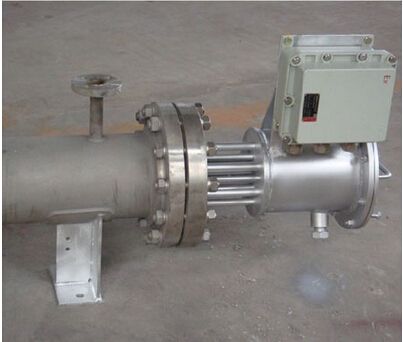
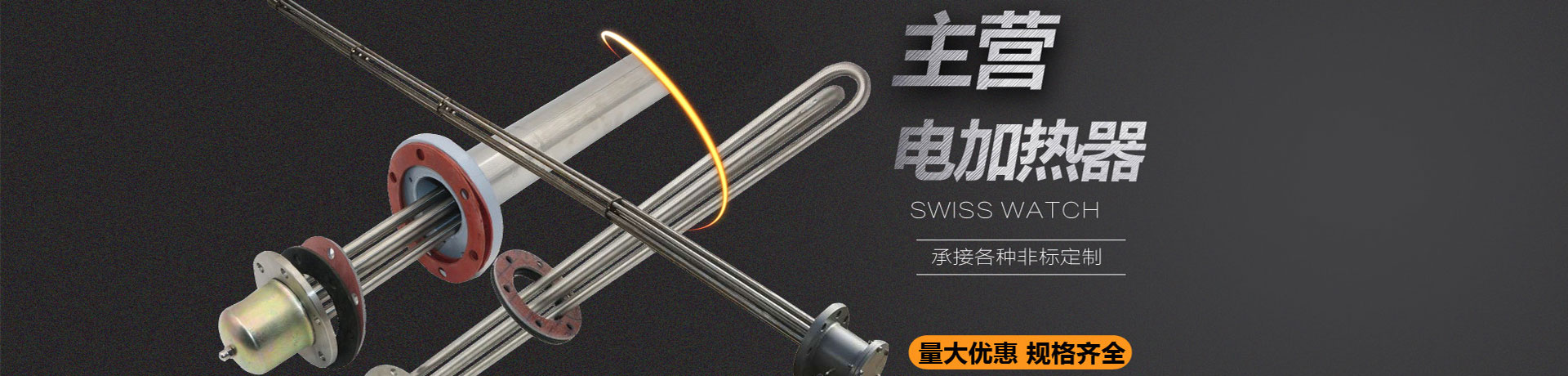
It consists of one or more tubular elements, which are usually made by winding resistance wire around insulating material and then encapsulating it in a metal tube. Here is some basic information about tubular electric heaters, which can serve as a reference for writing related articles:
Basic Construction
Resistance wire: Usually made of nickel-chromium alloy or iron-chromium-aluminum alloy, due to their good resistance properties and high-temperature resistance.
Insulating material: Commonly used is magnesium oxide powder, which provides good thermal conductivity and electrical insulation.
Metal tube: Generally made of stainless steel, copper, or other materials that can withstand high temperatures, to protect internal components and transfer heat.
Working Principle
When current passes through the resistance wire, heat is generated due to the resistance. This heat is transferred through the metal tube to the medium that needs heating, achieving the purpose of heating.
Application Fields
Tubular electric heaters are widely used in various industries, such as chemical, petroleum, food processing, plastic machinery, etc., for heating liquids or gases. For example, in the plastic industry, they can be used to heat the barrel of an extruder; in chemical production, they may be used to heat chemicals in a reaction kettle.
Main Features
High efficiency and energy saving: Compact design, high thermal efficiency.
Long service life: High-quality materials and fine craftsmanship ensure a long service life.
Easy installation: Different types of installation methods can be chosen according to different application needs.
High safety: Equipped with overheat protection function to prevent damage to equipment or safety accidents caused by excessive temperature.
Precautions
When using tubular electric heaters, it is necessary to regularly check their working status to ensure there is no leakage or other safety hazards. In addition, it is very important to choose the appropriate model according to the specific usage environment to avoid failures or accidents caused by improper selection.
The above is some basic introduction about tubular electric heaters. More details can be expanded according to specific needs, such as discussing their technical specifications, maintenance methods, or market development trends.