
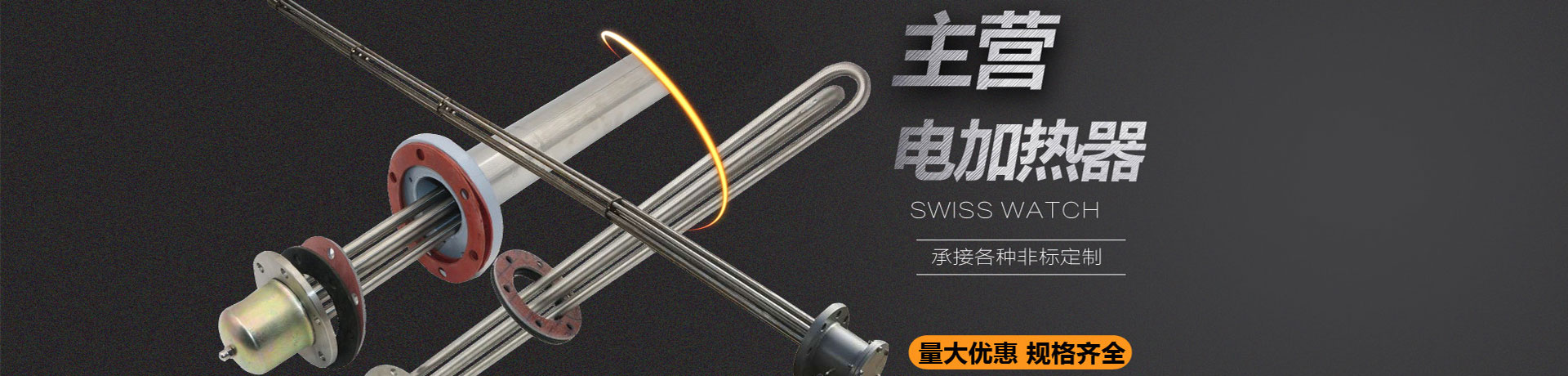
Metal tubular heating elements (commonly known as heating tubes) typically require an insulation resistance of no less than 1MΩ, while mold heating has clear specifications for the mechanical strength and wiring reliability of the elements. Straight single-ended heating tubes adopt a single-ended wiring structure, and in mold installation, attention must be paid to the sealing of the wiring end and the bending radius.
Comparison with Double-Ended Wiring Solutions
Double-ended wiring heating tubes require wiring at both ends, which is difficult to route in deep holes or narrow spaces of molds, and the leads at both ends are prone to interference with other mold components. Straight single-ended wiring only leads out the power cord at one end, with the other end sealed, making it suitable for blind holes or single-side installation in mold heating scenarios, reducing the number of wiring points and lowering the risk of short circuits. However, the heat dissipation conditions of single-ended wiring are relatively concentrated, and the load per unit area must be calculated.
Comparison with Explosion-Proof Heaters
BGY2/BGY4 explosion-proof electric heaters have explosion-proof certification and are suitable for occasions with flammable and explosive media; their structure is complex and the cost is relatively high. When straight single-ended heating tubes are used for ordinary mold heating, no explosion-proof certification is required, making them more economical. Purchasing personnel should choose based on whether the mold working environment contains explosive gases, avoiding over-specification or under-specification.
Common Issues and Maintenance
Overheating at the wiring end is a common fault, mostly caused by poor contact of the wiring terminals or seal failure. It is recommended to regularly check the insulation layer of the lead wires to avoid friction with sharp edges of the mold. When replacing, confirm that the tube diameter, length, and power match the original specifications to prevent mismatch with the installation hole.