
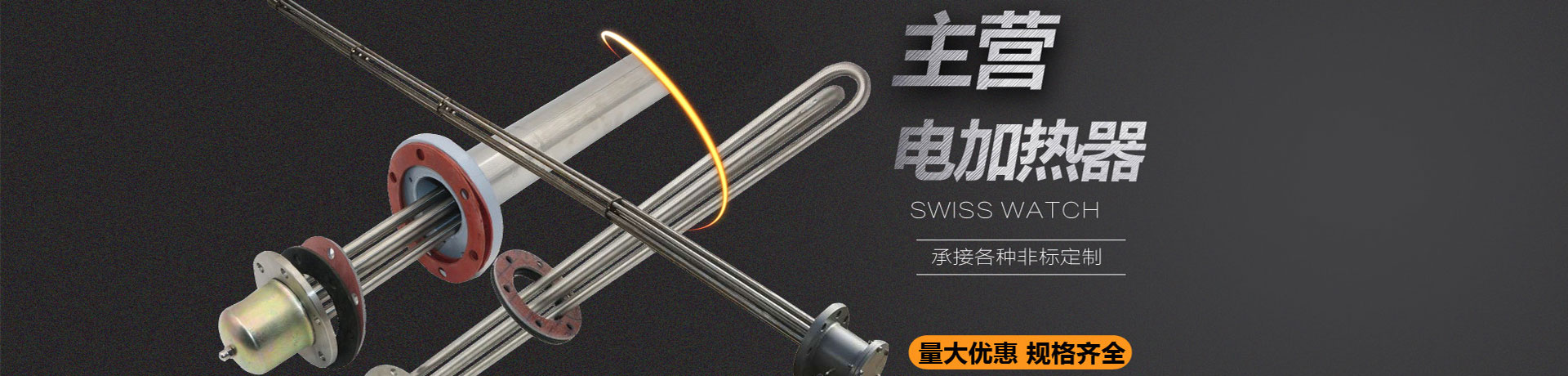
In a wide range of industrial applications, especially those involving the heating of liquids or gases, flange electric heaters stand out for their efficiency, reliability, and flexibility. This article will delve into the working principles, advantages, applicable fields, and how to correctly use and maintain this key industrial equipment.
Working Principle
The core of a flange electric heater is the electric heating elements, which are typically designed as U-shaped tubes. Based on different heating media and power requirements, they are precisely configured and assembled on the flange cover. When the power is turned on, the heating elements generate heat, which is transferred to the liquid or gas to be heated through direct contact or medium conduction, achieving rapid temperature rise. This process can be carried out through forced convection or natural convection, ensuring uniform and efficient heating.
Design and Structure
The flange design allows the heater to be easily installed on the flange interface of a container or pipeline, which not only simplifies the installation process but also ensures good sealing and safety. The tight integration of the heating elements with the flange makes heat transfer more direct, reduces heat loss, and improves overall heating efficiency.
Applicable Fields
Flange electric heaters are widely used in industries such as chemical, pharmaceutical, food, plastics, rubber, printing, wood, and tobacco. Whether heating liquids like water, oil, acids, alkalis, and solvents in containers, or performing heat treatment on equipment like reactors, dryers, and distillation towers, flange electric heaters provide a stable and controllable heat source to meet temperature control needs in industrial production.
Usage and Maintenance
Correctly using flange electric heaters first requires ensuring the safety of electrical connections, paying attention to distinguishing between delta and star connections, and ensuring that the operating voltage does not exceed the equipment's rated value. The heating elements must be effectively grounded to prevent electrical accidents. Use the correct terminal lugs and power cord specifications to ensure secure and safe connections. Regularly clean and inspect the heating tubes, avoiding the use of chemical cleaning solutions to extend equipment life.
Stability Assurance
To ensure the long-term stable operation of flange electric heaters, the stability of the equipment is crucial. This includes the precision and response speed of temperature control, as well as timely response to abnormal conditions such as overheating and low liquid levels. The control system should automatically adjust the heating power based on feedback from temperature sensors to maintain the set temperature level. Additionally, interlock protection devices should quickly cut off the power supply upon detecting abnormalities to prevent equipment damage and ensure operator safety.
Conclusion
Flange electric heaters, with their high efficiency, safety, and flexibility, have become an ideal choice in the field of industrial heating. By gaining a deep understanding of their working principles, application scope, and maintenance points, industrial operators can fully leverage the advantages of flange electric heaters to improve production efficiency, reduce energy consumption, and ensure operational safety. With continuous technological advancement, future flange electric heaters will become more intelligent, better serving the modernization needs of industrial production.