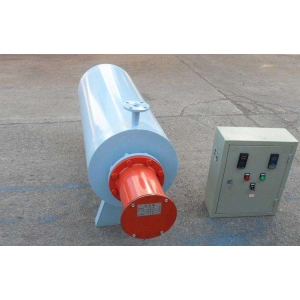
In cold seasons or situations requiring rapid heating of specific areas, electric heaters have become people's first choice. Whether for home heating, industrial production, or heating needs in special environments, electric heaters provide efficient and convenient solutions. This article will delve into the working principles, types, application fields, and selection and usage points of electric heaters.
Working Principle
Electric heaters convert electrical energy into thermal energy to heat air, liquids, or solids. The core component is the heating element, with common types including resistance wires, quartz tubes, ceramic heating plates, etc. When current passes through the heating element, according to Joule's law, the resistance converts electrical energy into thermal energy, thereby heating the surrounding medium. This process is rapid and controllable, making electric heaters an effective means of instant heating.
Types and Characteristics
Electric heaters come in a wide variety, and based on heating methods and uses, they can be divided into the following main types:
Radiant electric heaters: Use infrared radiation principle to heat object surfaces, suitable for local heating or rapid temperature rise.
Convection electric heaters: Heat the internal air, then disperse the hot air through fans or natural convection, suitable for space heating.
Direct-heating electric heaters: Directly transfer heat to the target medium, such as electric kettles and electric water heaters, with fast heating speed and high efficiency.
Immersion electric heaters: Directly immerse the heating element into the liquid for heating, suitable for chemical, food processing, and other industries.
Application Fields
The applications of electric heaters cover almost all aspects of life, including but not limited to:
Home heating: Electric radiators, electric blankets, heated towel racks, etc., providing a comfortable home living environment.
Industrial production: Used for heating in plastic molding, chemical reactions, food processing, and other processes, improving production efficiency and product quality.
Agriculture and horticulture: Greenhouse heating, soil heating, etc., promoting plant growth and extending planting cycles.
Scientific research: Heating equipment in laboratories, used for experimental condition control and sample heating.
Selection and Usage Points
When selecting an electric heater, the following points should be considered:
Applicable scenario: Choose the most suitable heating method and power according to actual needs.
Safety standards: Ensure the selected electric heater meets national and regional safety standards, with functions such as overheat protection and leakage protection.
Energy efficiency ratio: Consider the energy efficiency ratio of the electric heater, and choose energy-saving and efficient products.
When using an electric heater, attention should be paid to:
Safety first: Avoid long-term unattended use, keep away from flammable items, and regularly check the wiring and equipment condition.
Reasonable use: Adjust heating time and temperature according to actual needs to avoid excessive heating causing energy waste.
Maintenance: Regularly clean the electric heater, check whether the heating element is normal, and ensure the equipment is in good working condition.
Conclusion
With its efficient, convenient, and controllable characteristics, electric heaters have become an indispensable part of modern life and industrial production. With the development of technology, the types and functions of electric heaters will continue to enrich, providing people with more comfortable, safe, and environmentally friendly heating solutions. In the future, we can expect electric heaters to play a greater role in smart homes, energy conservation, and emission reduction, creating a better life for humanity.