
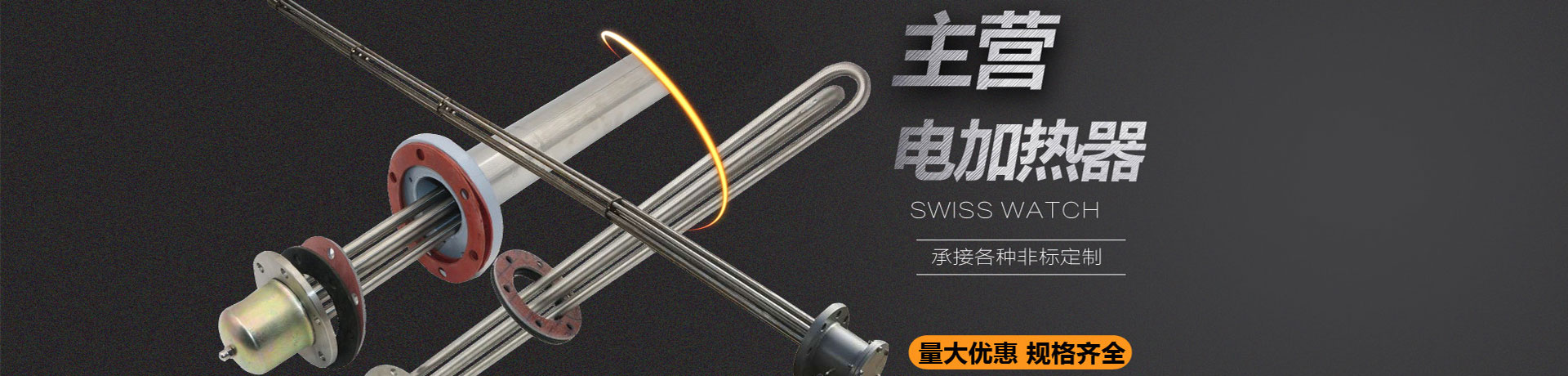
Heating cables, an innovative heating solution, are widely used in residential, commercial, and industrial environments. They directly convert electrical energy into thermal energy, providing effective heating for floors, pipes, roofs, and gutters. Whether it's providing comfortable floor temperatures for homes in harsh winters or preventing pipes from freezing in industrial facilities, heating cables demonstrate their unique advantages and application value.
Working Principle
The core of a heating cable lies in its internal resistance wire. When current passes through these resistance wires, electrical energy is converted into heat due to resistance, causing the cable to heat up. This heating method is efficient and controllable, and with the accompanying thermostat, the desired temperature level can be precisely adjusted and maintained. Additionally, heating cables can be divided into self-regulating and constant wattage types. The former can automatically adjust power output when temperature changes, while the latter provides constant heat output.
Application Scenarios
Floor Heating: In residential and commercial buildings, heating cables are commonly used under floors to provide a warm and comfortable indoor environment, especially suitable for floor materials with good thermal conductivity such as tiles and marble.
Pipe Freeze Protection: In cold regions, heating cables are used on the exterior of pipes to prevent water from freezing, ensuring the normal operation of water supply and drainage systems.
Roof Snow Melting: Installed on roof edges and gutters, heating cables can quickly melt snow and ice, preventing ice dams from forming and reducing structural load.
Agriculture and Horticulture: Using heating cables in greenhouses can maintain soil and air temperature, promoting plant growth and extending the growing season.
Installation and Maintenance
Proper installation is key to maximizing the effectiveness of heating cables. During installation, it is necessary to follow the manufacturer's instructions, ensuring that the cables are evenly distributed without crossing, avoiding excessive bending and damage. At the same time, use dedicated fixing devices to maintain cable position, ensuring good contact with the floor or pipe surface. In terms of maintenance, regularly checking the integrity of the cables and the accuracy of the temperature control system can effectively extend service life and reduce the risk of failure.
Safety and Efficiency
The safety of heating cables mainly depends on their design and installation quality. High-quality cable materials and insulation layers can prevent leakage and fire risks, while reasonable power design and intelligent temperature control ensure efficient energy use. When selecting heating cables, users should pay attention to product certification standards such as UL, CE, as well as the manufacturer's service and support.
Conclusion
Heating cables, with their flexible applications, efficient performance, and easy maintenance, have become an indispensable part of modern life. Whether enhancing living comfort or ensuring the normal operation of industrial facilities, heating cables demonstrate their unique value. With continuous technological advancements, heating cables will become more intelligent in the future, providing users with more energy-saving, environmentally friendly, and convenient heating solutions.