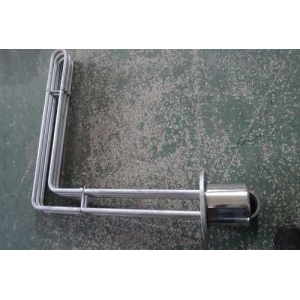
The main function of an asphalt heater is to heat solid or semi-solid asphalt to a liquid state, thereby giving it sufficient fluidity and workability. This includes not only initial heating but also continuous insulation during the construction process, ensuring that the asphalt remains within the ideal temperature range throughout the entire construction cycle.
Working Principle
Asphalt heaters typically utilize different heat sources to heat a heat transfer medium, such as water, steam, oil, or other fuels. These media then transfer heat to the asphalt, raising its temperature. Electric heaters, on the other hand, convert electrical energy into thermal energy directly through resistance wires or induction heating, acting on the asphalt.
Heating Methods
Direct open flame heating: This is the most traditional heating method, using direct flame to heat asphalt, but it may cause local overheating, affecting asphalt quality.
Water heating: Using water or steam as the heat carrier, this method can control temperature well, ensuring asphalt quality and equipment safety.
Fuel oil heating: Using crude oil, heavy oil, diesel, etc., as fuel, it heats quickly and the equipment is relatively simple, and it is more environmentally friendly.
Electric heating: Using electrical energy converted into thermal energy to heat thermal oil, ensuring that the asphalt does not experience local high temperatures, maintaining product quality.
Indirect heating with thermal oil: Utilizing thermal oil circulation for heating, suitable for large-capacity asphalt storage and long-term insulation.
Technological Development
With the advancement of technology, asphalt heaters are developing towards more efficient and environmentally friendly directions. For example, electric heaters are becoming increasingly popular due to their safety and precise temperature control. Meanwhile, discussions on comprehensive heating modes and technologies are also continuously improving the quality and efficiency of asphalt heating.
Safe Operation
Safety is crucial during asphalt heating. Operating procedures include, but are not limited to, regularly cleaning equipment, avoiding overfilling of asphalt to prevent overflow, and ensuring that operators have proper safety training and protective equipment.
Conclusion
Asphalt heaters are indispensable equipment in the field of road construction and maintenance. Their diverse heating methods and continuously evolving technologies ensure the optimal use of asphalt materials. In the future, with higher requirements for environmental protection and energy efficiency, asphalt heaters will develop towards more intelligent, green, and sustainable directions.
Through the above discussion, we recognize the core position of asphalt heaters in modern road engineering, and how they drive industry progress through technological innovation and safety practices.