
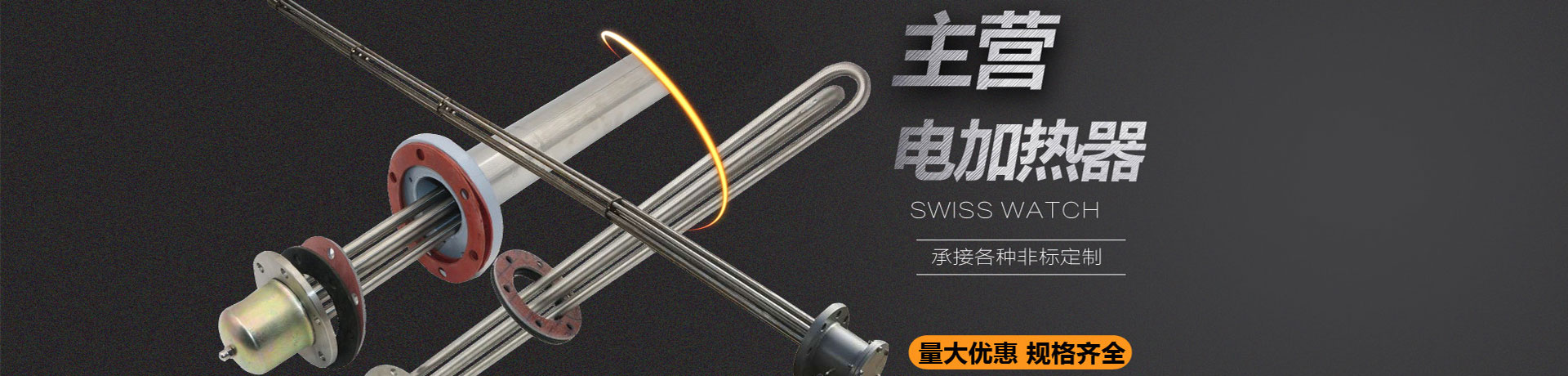
Electric heating elements: typically resistance wire, such as nickel-chromium alloy or iron-chromium-aluminum alloy
Electric heating radiant tubes are devices that convert electrical energy into heat and transfer it through radiation. They are widely used in industrial heating processes, especially in applications requiring efficient heat transfer and precise temperature control. Here is some key information about electric heating radiant tubes:
Working Principle
The basic working principle of an electric heating radiant tube is to enclose the electric heating element within a protective sheath. When current passes through the heating element, it generates heat. This heat is not directly conducted to the surrounding environment but is transferred to the object to be heated through radiation. The heating element is typically wrapped in heat-resistant materials, such as stainless steel or ceramics, to isolate it from the external environment, preventing corrosion and short circuits.
Structure
The structure of electric heating radiant tubes varies, but typically includes the following key components:
- Electric heating element: Typically resistance wire, such as nickel-chromium alloy or iron-chromium-aluminum alloy, capable of withstanding high temperatures and generating heat.
- Insulation material: Such as magnesium oxide powder, filled between the heating element and the protective sheath, providing good insulation and thermal conductivity.
- Protective sheath: Usually made of heat-resistant stainless steel or other high-temperature resistant materials, protecting the heating element and serving as the radiating surface.
- Support structure: Used to fix the heating element and prevent deformation at high temperatures.
Types
Electric heating radiant tubes can be classified into various types based on shape and application, such as strip spiral wound electric heating radiant tubes, band strip spiral wound electric heating radiant tubes, and radial zigzag cage vertical electric heating radiant tubes (squirrel cage type). Each type has its specific structure and application fields.
Power Calculation
The power of an electric heating radiant tube is usually determined by its size, material, and designed surface power density. Surface power density refers to the power output per unit area, typically expressed in watts per square centimeter (W/cm²).
Applications
Electric heating radiant tubes are suitable for various industrial heating processes, such as metal treatment, food processing, plastic molding, and chemical reactions. They are particularly effective in applications requiring rapid response and uniform heating.
Market Trends
Electric heating radiant tubes market is developing rapidly. With technological advancements and increasing demand for efficient and energy-saving equipment, market trends show growing interest in high-tech products and environmentally friendly solutions.
When selecting and using electric heating radiant tubes, it is necessary to consider the working environment, power requirements, temperature control accuracy, and maintenance costs. Correct selection and proper maintenance are crucial for ensuring long-term reliable operation of the equipment. If you are looking for specific application cases or technical details of electric heating radiant tubes, it is recommended to consult manufacturers or industry experts directly to obtain the most accurate information and guidance.