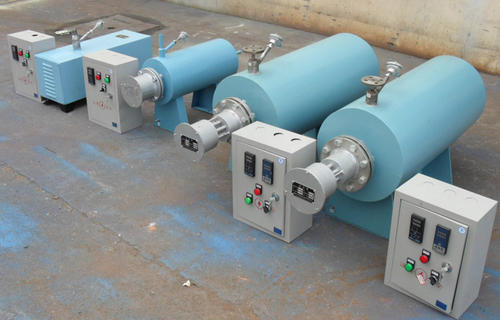
In the manufacturing industry, especially in plastic molding, metal processing, and other manufacturing processes that require fine temperature control, mold electric heating tubes (also known as mold heating tubes) play an irreplaceable role. They not only ensure the uniformity and precise control of the mold surface temperature but also directly affect product quality and production efficiency. This article will delve into the technical characteristics, working principles, and applications of mold electric heating tubes, as well as how to select and maintain these heating elements.
Technical Characteristics and Working Principles
Mold electric heating tubes typically consist of the following key components:
Heating element: A spiral resistance wire, usually made of nickel-chromium alloy or iron-chromium-aluminum alloy, providing thermal energy.
Insulation layer: High-insulation magnesium oxide powder is filled between the resistance wire and the metal sheath to ensure electrical insulation between the heating wire and the outside.
Metal sheath: Usually made of stainless steel, copper, titanium, or other materials, serving as the outer shell of the heating tube, with good heat resistance and mechanical strength.
Lead-out rod: Used to connect the resistance wire to the external power supply, usually located at one or both ends of the heating tube.
The working principle of mold electric heating tubes is based on Ohm's law; when current passes through the resistance wire, it generates heat. By precisely controlling the current and voltage, the temperature of the heating tube can be adjusted, thereby achieving uniform heating of the mold.
Applications and Advantages
Mold electric heating tubes are widely used in multiple industries, including but not limited to:
Plastic molding: In injection molding, blow molding, and extrusion molding, heating tubes ensure that plastic raw materials reach the ideal melting temperature, improving molding quality.
Metal processing: In casting, forging, and heat treatment processes, heating tubes provide stable heating conditions, promoting the deformation and strengthening of metal materials.
Semiconductor manufacturing: In wafer processing and packaging, precise temperature control is crucial for product quality.
Selection and Maintenance
Correct selection and maintenance of mold electric heating tubes are very important to ensure their long-term stable operation:
When selecting, consider: the power, voltage, material, dimensions (especially diameter and length) of the heating tube, and the fit with the mold hole.
Before installation: Check whether the openings on the mold match the dimensions of the heating tube to avoid damage due to improper installation.
Regular inspection: Monitor the working status of the heating tube, including temperature fluctuations, insulation performance, and physical integrity.
Cleaning and maintenance: Regularly clean the scale on the surface of the heating tube to prevent affecting heat transfer efficiency.
Conclusion
As a key heating element in the manufacturing industry, mold electric heating tubes provide a solid guarantee for product quality and production efficiency with their efficient and precise temperature control capabilities. By gaining a deep understanding of their working principles and technical characteristics, as well as following correct selection and maintenance guidelines, manufacturers can maximize the potential of these heating tubes and promote the optimization and innovation of production processes.