
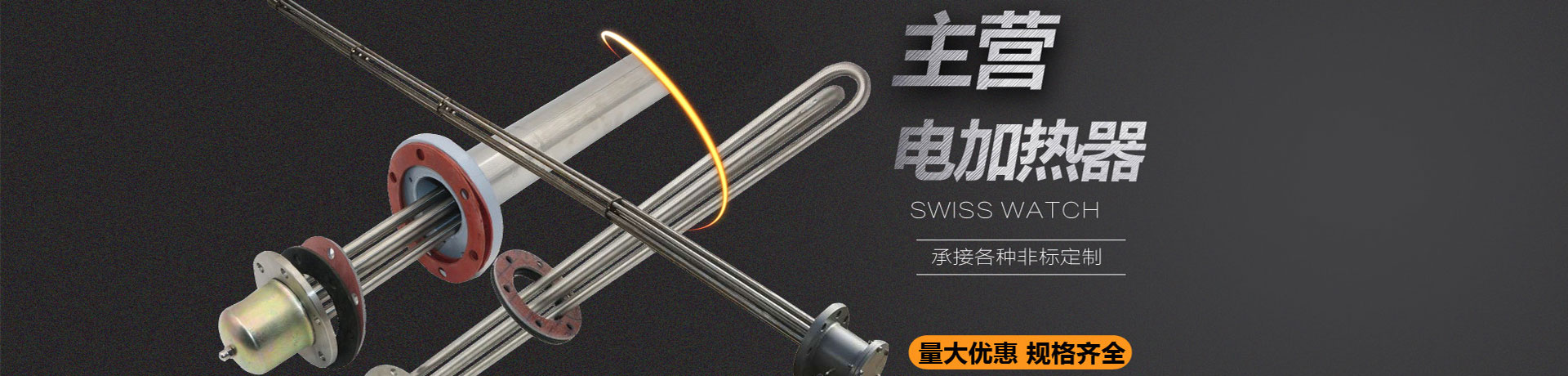
In today's global industrial system, flange electric heaters, as indispensable thermal energy conversion equipment, are crucial for promoting the green transformation of the manufacturing industry through technological innovation and efficiency improvement. This article will delve into the latest advancements in modern flange electric heaters in ensuring production safety and improving energy efficiency, comprehensively showcasing the development dynamics in this field from intelligent control, application of new materials, structural design innovation, to energy-saving and environmental protection strategies, as well as their positive role in promoting sustainable industrial development.
With the advent of the Industry 4.0 era, unprecedented high standards have been placed on the safety, intelligence, and energy efficiency of industrial heating equipment. As the cornerstone of heating systems in industries such as chemical, pharmaceutical, and food processing, the technological upgrading of flange electric heaters is not only related to the improvement of production efficiency but also a necessary path for enterprises to achieve environmentally friendly production. This article aims to comprehensively analyze how modern flange electric heaters can continuously improve efficiency while ensuring safety to meet the challenges of the new era.
Intelligence has become an important hallmark of modern flange electric heaters. By integrating IoT technology, heaters can achieve remote monitoring and precise automatic temperature adjustment. For example, built-in intelligent sensors monitor the working status in real-time; once the temperature deviates from the set value, the control system responds immediately, adjusting the current output to ensure the stability and accuracy of the heating process. Furthermore, fault prediction systems based on big data analysis and machine learning can identify abnormal equipment behavior, provide early warnings of potential faults, effectively avoid unplanned downtime, and ensure the continuous operation of the production line.
Advances in materials science provide strong support for the performance improvement of flange electric heaters. High-temperature resistant insulating materials, such as improved ceramics or composite materials, not only raise the heat resistance level of electric heating tubes but also extend the service life of the equipment, reducing the failure rate caused by high temperatures. In corrosive environments (such as petrochemicals), new corrosion-resistant shell materials, such as molybdenum-containing stainless steel or titanium alloys, are widely applied, significantly enhancing the equipment's corrosion resistance and reducing maintenance costs.
Structural innovation is another key to enhancing the efficiency and adaptability of flange electric heaters. Modular design simplifies the installation and maintenance process, making the replacement of damaged parts quick and convenient, greatly reducing equipment downtime. Compact design, while ensuring heating efficiency, optimizes the internal structural layout to reduce equipment volume and improve space utilization, especially suitable for industrial sites with limited space.
Facing global climate change, energy conservation and emission reduction have become an inevitable trend in industrial development. Modern flange electric heaters, by optimizing the design of electric heating elements, such as using high-performance heating wire materials, significantly improve the efficiency of converting electrical energy into thermal energy, reducing energy consumption. At the same time, integrating waste heat recovery systems, using the waste heat generated during the heating process to preheat input materials or support other heating links, achieves the recycling and reuse of energy, effectively reducing overall energy consumption.
Taking a large oil refinery as an example, by introducing intelligent control and high-efficiency flange electric heaters, not only was precise control of the heating process achieved, reducing energy consumption by 20%, but also through the waste heat recovery system, part of the waste heat was used for auxiliary heating in the factory, further saving energy costs. In the fine chemical industry, customized flange electric heaters, with their precise temperature control capabilities, ensure the stability of reaction processes, improve product quality, and reduce raw material waste caused by improper temperature control.
Looking ahead, the development of modern flange electric heaters will focus more on deep intelligence, frontier exploration in materials science, and integration with renewable energy. For example, adaptive heating algorithms combined with artificial intelligence can automatically adjust heating strategies based on production needs and environmental changes; the application of new superconducting materials may lead electric heating technology to a new level of efficiency; integration with renewable energy sources such as solar and wind power will further promote the green transformation of the heating process.
In summary, modern flange electric heaters continue to advance on the path of ensuring production safety and improving efficiency. Their intelligent control technology, application of new materials, innovative structural design, and implementation of energy-saving and environmental protection strategies together construct a future-oriented efficient, safe, and green heating solution. With the continuous evolution of technology, flange electric heaters will play an increasingly important role in promoting more efficient and environmentally friendly industrial production.