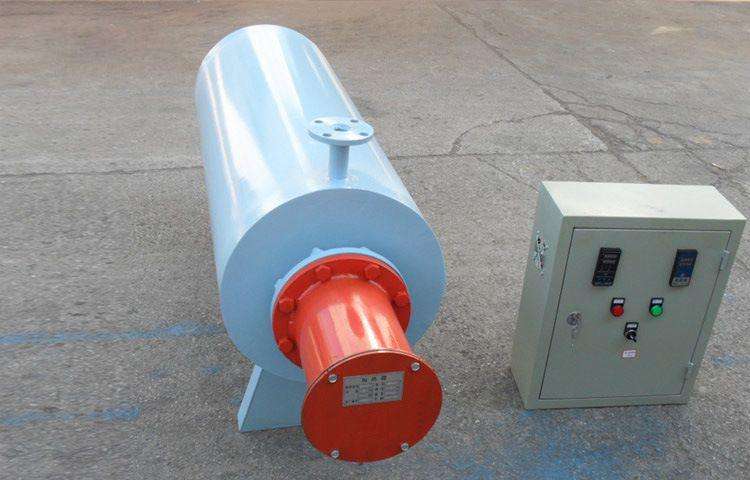

An acid and alkali electric heating tube is an electric heating element specifically designed for heating acidic or alkaline liquids. They are widely used in industries such as chemical, pharmaceutical, and food processing, where corrosive media are often handled. This article will discuss the working principle, structure, applications, and precautions for use of acid and alkali electric heating tubes.
Working Principle
The working principle of the acid and alkali electric heating tube is based on resistance heating. It typically consists of a metal tube filled with a heating wire and filled with magnesium oxide powder, which has good thermal conductivity and insulation. When current passes through the heating wire, the wire generates heat due to resistance. This heat is transferred through the metal tube wall to the external medium, such as acid or alkali solution, thereby achieving the purpose of heating.
Structure and Materials
The structure of the acid and alkali electric heating tube mainly includes the following parts:
Heating wire: usually made of nickel-chromium alloy or other high resistivity materials.
Filler: such as magnesium oxide powder, used for insulation and heat transfer.
Shell: to resist corrosion from acid and alkali media, the shell is usually made of corrosion-resistant materials such as 316L stainless steel, Teflon (PTFE), tetrafluoroethylene (PFA), etc.
Application Range
Acid and alkali electric heating tubes are widely used in situations where acid and alkali solutions need to be heated, for example:
Chemical industry: used to heat acid and alkali solutions in reaction vessels to promote chemical reactions.
Pharmaceutical industry: used in the heating steps required in drug production processes.
Food processing: in some food processing processes, liquids containing acid and alkali components need to be heated.
Laboratories: in scientific research, precise control of heating conditions is often required.
Advantages
Strong corrosion resistance: can effectively resist the erosion of acid and alkali solutions.
High heating efficiency: due to direct contact heating, heat transfer efficiency is high.
Compact structure: small size, easy to install and maintain.
Long service life: made of high-quality materials to ensure stable operation over a long period.
Precautions for Use
Appropriate material selection: choose suitable materials according to the nature of the heating medium to avoid corrosion damage.
Avoid dry heating: ensure the heating tube is completely immersed in the heating medium to avoid damage caused by dry heating.
Regular inspection: regularly check the insulation performance and appearance of the heating tube, and replace worn or damaged parts in time.
Cleaning and maintenance: clean carbon deposits or other sediments in time to maintain good heat transfer performance.
Storage environment: when not in use, store in a dry and ventilated place to prevent rust or corrosion.
Conclusion
Acid and alkali electric heating tubes play an important role in many industrial fields due to their special corrosion resistance and efficient heating performance. Correct selection and use of acid and alkali electric heating tubes can not only improve production efficiency but also extend the service life of equipment and reduce maintenance costs. With the advancement of new materials and technology, acid and alkali electric heating tubes will become more efficient and