
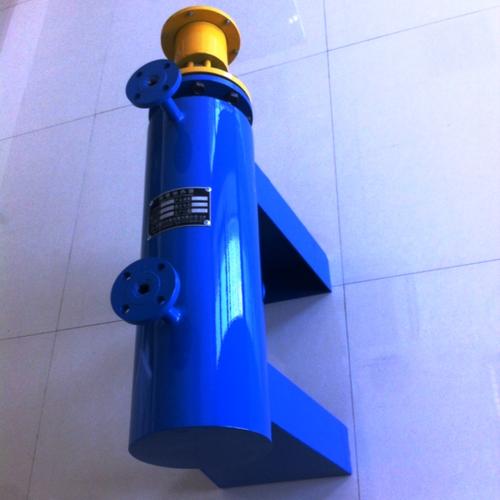
BGY2 Explosion-Proof Heater
BGY2 Explosion-Proof Heater - Yangzhou Darui
Darui Electric recommends for you
It is a process of converting electrical energy into thermal energy. Since the discovery that electric current can produce thermal effects through conductors, many inventors around the world have been engaged in the research and manufacturing of various electric heating appliances. The development and widespread application of electric heating, like other industries, generally follow such a pattern: gradually spreading from countries with advanced electric heaters to the rest of the world; developing from cities to rural areas; then from collective use to household and individual use; products generally evolve from low-end to high-end.
In the nineteenth century, electric heating appliances in their infancy were mostly of poor quality. The earliest ones appeared for daily life use. In 1893, the prototype of the electric iron first appeared and began to be used in the United States. Then in 1909, the use of electric stoves emerged, where electric heaters were placed in the stove, meaning heating shifted from firewood to electricity. However, the rapid development of the electric heating appliance industry truly occurred after the invention of nickel-chromium alloy used as heating elements. In 1910, the United States first successfully developed an electric iron using nickel-chromium alloy heating wire, which fundamentally improved the structure of the iron and quickly popularized its use. By 1925, products with electric heating elements installed in pots appeared in Japan, becoming the prototype of the modern rice cooker. During this stage, industrial electric heating products such as laboratory electric furnaces, glue melting furnaces, and heaters also emerged. The period from 1910 to 1925 was a major development stage in the history of electric heating appliances. In both household and industrial sectors, the emergence and widespread application of various types of electric heating appliances developed rapidly, especially in households. Therefore, the invention of nickel-chromium alloy laid the foundation for the development of the electric heating appliance industry.
After the 1920s, there were not as many new application developments as in the previous period, but during this phase, all kinds of electric heating appliances were redesigned and continuously improved, marking an upgrading stage in the history of electric heating appliances. In household electric heating appliances, various devices were designed to be more aesthetically pleasing, durable, and sturdy, and most were equipped with automatic temperature and time controls.
The above is the relevant content introduced by the editor of the cast aluminum heater manufacturer, hoping it will be helpful to everyone.
Note: The above information and technical parameters are compiled and released by Yangzhou Darui Electric Co., Ltd.