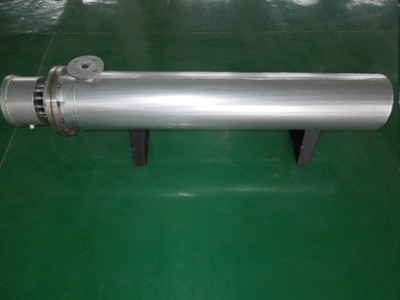

As an advanced heating element, silicon carbide heating plates are widely used in many industries due to their high heating efficiency and durability. They not only feature rapid heating and high thermal efficiency but also enable precise temperature control. This article will detail the working principle, characteristics, application fields, and usage precautions of silicon carbide heating plates.
Working Principle
The working principle of silicon carbide heating plates is mainly based on the thermal conductivity and radiation characteristics of silicon carbide material. When current passes through the resistance alloy wire inside the heating plate, the silicon carbide material quickly heats up and releases far-infrared radiant energy. This radiant energy can be directly transferred to the object being heated, promoting the thermal motion of its internal molecules, achieving fast and uniform heating.
Characteristics
High Efficiency Heating: Silicon carbide heating plates can effectively convert electrical energy into far-infrared radiant energy, directly transferring it to the heated object, resulting in high heating efficiency.
Rapid Heating: Due to the high thermal conductivity of silicon carbide material, the heating plate can quickly reach the desired temperature.
Uniform Heating: Far-infrared radiant energy can evenly cover the surface of the heated object, ensuring temperature consistency during the heating process.
Energy Saving and Environmental Protection: Compared to traditional heating methods, silicon carbide heating plates can save energy consumption and reduce environmental pollution.
Long Lifespan: Silicon carbide material has good thermal and chemical stability, allowing for long-term use in high-temperature environments.
Wide Applicability: Silicon carbide heating plates can be used in various heating environments, suitable for both civil and industrial purposes.
Application Fields
The application range of silicon carbide heating plates is extensive, including but not limited to:
Industrial Baking and Drying: Suitable for material drying and curing processes in food, chemical, pharmaceutical, and other industries.
Laboratory Heating: Used for sample heating, drying, and melting processes in chemical experiments.
Ceramic Manufacturing: Used in the sintering process of ceramic products.
Plastic Processing: Used for preheating processes in plastic molding, injection molding, and other techniques.
Metal Processing: Used for preheating and annealing processes before metal welding.
Usage Precautions
To ensure the normal use and extend the service life of silicon carbide heating plates, the following points should be noted:
Stable Installation: Ensure the heating plate is firmly installed to avoid damage from vibration.
Cleaning and Maintenance: Regularly clean dust and impurities from the surface of the heating plate to prevent affecting heating efficiency.
Avoid Dry Burning: In liquid heating applications, ensure the heating plate is fully submerged to avoid dry burning.
Correct Voltage: Use a power supply voltage that matches the specifications of the heating plate to prevent damage from overvoltage or undervoltage.
Moisture and Waterproofing: When used in humid environments, take appropriate waterproof and moisture-proof measures.
Regular Inspection: Regularly check the working status of the heating plate and replace severely worn parts in a timely manner.
Conclusion
With its high efficiency, reliability, and wide application capabilities, silicon carbide heating plates have become the preferred heating solution in many industries. With technological advancements, silicon carbide heating plates will become more intelligent and efficient in the future, providing more innovative heating technologies for various industries.