Title
Electric Radiant Tube: An Efficient and Energy-Saving Industrial Heating Solution
Introduction
Background: Briefly introduce the application fields and importance of electric radiant tubes.
Technological Progress: Summarize the development of electric radiant tube technology in recent years.
Working Principle
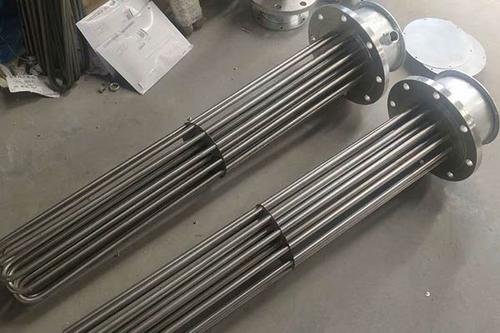
Structure: Explain the internal structure of electric radiant tubes, including heating elements, heat-resistant sleeves, insulating materials, etc.
Heating Process: Describe the process where electric current generates heat through the heating element.
Heat Transfer: Explain how heat is transferred to the heated object through radiation.
Technical Specifications and Performance Indicators
Power Range: Describe the power range of electric radiant tubes.
Temperature Control: Explain the precision of temperature control.
Service Life: Introduce the expected service life of electric radiant tubes.
Safety Features: Emphasize safety features such as overheat protection and insulation performance.
Application Cases
Industrial Furnaces: Provide examples of application in heating industrial furnaces.
Drying Equipment: Describe specific application methods in drying equipment.
Heat Treatment: Introduce application scenarios in metal heat treatment.
Usage Methods and Precautions
Installation Guide: Provide specific steps for installing electric radiant tubes.
Operation Guide: List the basic operation procedures during use.
Safety Notices: Emphasize safety precautions during use, such as avoiding electric shock and preventing overheating.
Maintenance: Provide recommendations for daily maintenance and care.
Technical Advantages and Limitations
Advantages: Discuss the benefits of electric radiant tubes, such as fast heating speed, high thermal efficiency, and easy control.
Limitations: Point out possible limiting factors, such as cost and applicability in specific application environments.
Future Development Trends
Technological Innovation: Look forward to possible technological advancements, such as the application of new materials and intelligent control systems.
Market Prospects: Mention the future development potential of the electric radiant tube market.
Conclusion
Summary: Review the importance and application prospects of electric radiant tubes.
Call to Action: Encourage the industrial sector to adopt advanced heating technologies to improve production efficiency and save energy and reduce emissions.
References
Technical Manuals: List technical manuals provided by manufacturers.
Academic Research: List relevant academic papers and research reports.
Industry Reports: Provide links to authoritative reports from the industrial heating field.
With the above structure, you can write a comprehensive article introducing electric radiant tubes. Remember to incorporate the latest research findings and technological advances to ensure the content is accurate and up-to-date. If you need more specific information or technical details, feel free to ask me.