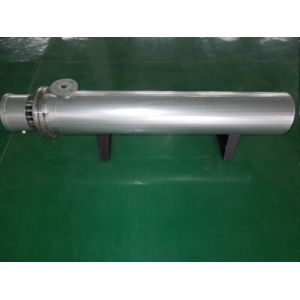
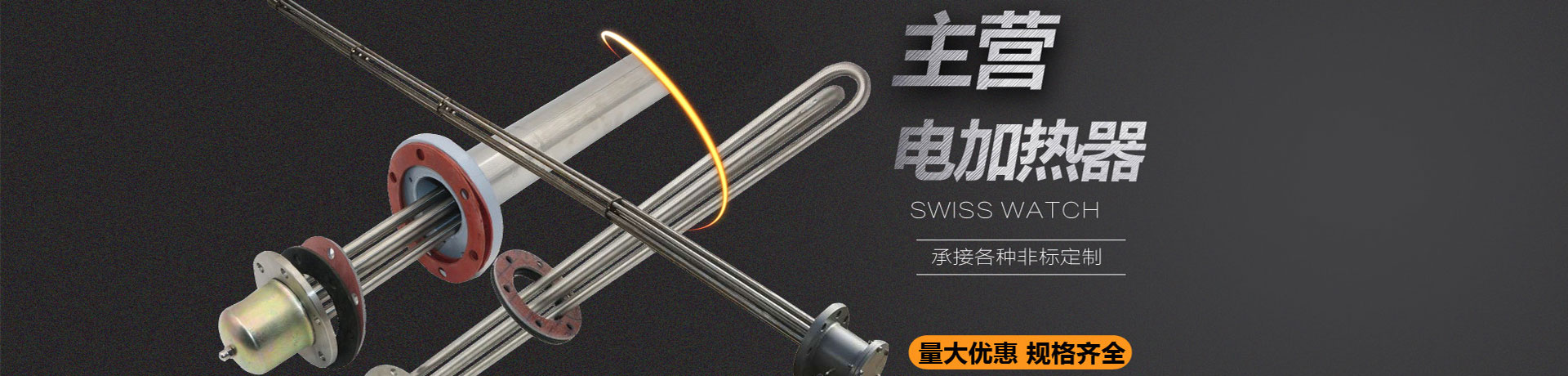
Metal protective tube: Usually made of stainless steel (such as 304, 316L, corrosion-resistant), titanium alloy (resistant to strong acids), carbon steel, or copper (high thermal conductivity). Common tube diameters range from φ6mm to φ30mm.
Resistance wire: Located at the center of the tube, commonly made of nickel-chromium alloy (Cr20Ni80, temperature resistance up to 1400℃) or iron-chromium-aluminum alloy, generating heat when energized.
Insulating filler layer: High-purity magnesium oxide powder (MgO) fills between the resistance wire and the metal tube. It provides excellent insulation (breakdown voltage ≥500V) and thermal conductivity, efficiently transferring heat from the resistance wire to the tube wall while preventing leakage.
Sealed ends: Sealed with silicone rubber, ceramic, or epoxy resin to prevent moisture or liquid ingress that could degrade insulation performance.
Heating principle:
Current passes through the resistance wire to generate Joule heat (
Rt ), which is conducted through the magnesium oxide powder to the metal tube surface, then transferred to the heated medium (such as water, oil, air, etc.) via thermal radiation or convection.
2. Main Features
High thermal efficiency: The efficiency of converting electrical energy into heat is nearly 100%, and due to close contact, heat transfer is fast.
High mechanical strength: The metal shell protects internal components, resistant to vibration and impact.
Good safety: The magnesium oxide insulation layer ensures electrical safety, and with a thermostat, overheat protection can be achieved.
Long lifespan: Under proper use (no overheating, no dry burning), the service life is long.
High customizability: Can be bent into U-shape, W-shape, spiral, and other shapes as needed, with power density typically adjustable between 10~100 W/cm².
3. Common Application Areas
Liquid heating:
Industrial: Heating hydraulic oil and lubricating oil in fuel tanks, chemical media in chemical reactors, water treatment equipment, etc.
Civil: Electric water heaters, coffee machines, dishwashers, water dispensers.
Typical models: SRY series (e.g., SRY2/SRY3 for tank heating, SRY4 for flowing oil heating).
Gas/Air heating:
Installed in air ducts or pipelines for drying equipment, HVAC systems, hot air circulation in plastic machinery, etc. Usually used with baffles to ensure uniform heating.
Solid/Mold heating:
Inserted into mold holes for temperature control of molds in plastic injection molding machines, die-casting machines, and packaging machinery.
4. Selection and Usage Precautions
Material selection:
Heating water or weakly corrosive liquids: Choose 304 stainless steel.
Heating strong acids and bases: Choose 316L stainless steel or titanium tubes.
Heating air: Stainless steel or carbon steel can be used, but surface load must be considered to prevent overheating and oxidation.
Surface load:
Heating static water: Approximately 10-15 W/cm².
Heating flowing water: Approximately 15-25 W/cm².
Heating static oil: Approximately 2-3.8 W/cm² (oil has poor fluidity, so the load must be low to avoid coking).
Heating air: Approximately 1-2.5 W/cm² (requires forced convection with a fan).
Installation requirements:
Strictly no dry burning: Especially when used for liquid heating, ensure the heating part is fully immersed in the medium, or equip with liquid level/temperature protection devices.
Effective grounding: The metal shell must be reliably grounded to prevent electric leakage accidents.
Moisture-proof wiring: Keep the terminal area dry, and add a waterproof box if necessary.
5. Common Faults and Maintenance
No heating: Check the power supply, thermostat operation, and whether the resistance wire is broken (use a multimeter to test continuity).
Electric leakage: Usually caused by moisture reducing insulation resistance; dry it out; if the magnesium oxide powder has absorbed moisture and deteriorated, replace it.
Surface coking: Common in oil heaters due to excessive surface load or non-flowing oil; clean the carbon deposits and recalculate the power.
If you have a specific application scenario (e.g., how many liters of water to heat, target temperature, voltage requirements, etc.), I can provide more detailed selection recommendations.