
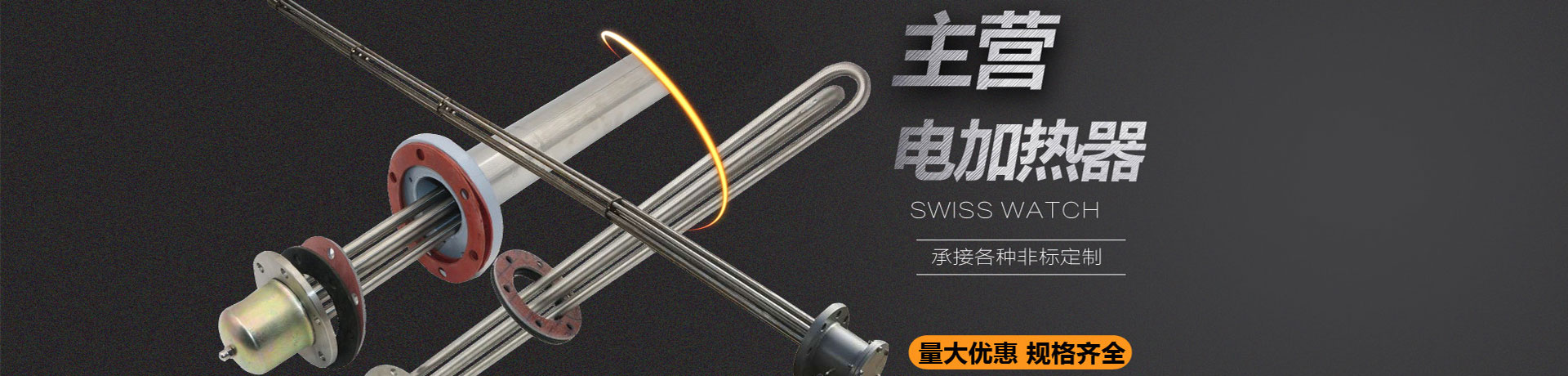
Using tight encapsulation is an important feature of sheathed electric heaters, which can effectively prevent heating elements from moisture or damage. Below is a detailed explanation of this feature:
The role of tight encapsulation
Protecting heating elements:
Waterproof and moisture-proof: Tight encapsulation can prevent moisture from entering the heating element, avoiding short circuits or reducing heating efficiency.
Dustproof and corrosion-resistant: The encapsulation layer can also prevent dust and corrosive substances from entering, extending the service life of the heating element.
Improving durability:
Mechanical strength: The tightly encapsulated sheath increases the overall mechanical strength of the heater, enabling it to withstand greater mechanical stress.
Vibration resistance: For heaters installed on equipment with significant vibration, tight encapsulation can reduce the impact of vibration.
Improving safety:
Insulation performance: Good encapsulation can provide additional insulation protection, ensuring the safety of operators.
Leakage prevention: Tight encapsulation helps reduce the risk of leakage, enhancing safety in use.
Optimizing heat transfer efficiency:
Reducing heat loss: The encapsulation layer helps reduce heat dissipation, improving heating efficiency.
Uniform heat transfer: Good encapsulation design can ensure heat is evenly transferred to the medium.
Technical implementation
Selection of heating elements:
Materials with high thermal conductivity are typically used as heating elements, such as nickel-chromium alloy wire or resistance wire.
The heating element is tightly encapsulated within a metal sheath to ensure rapid heat transfer to the medium.
Sheath material:
The sheath is usually made of metal materials that are resistant to high temperatures and corrosion, such as stainless steel, copper alloys, etc.
The metal sheath has good thermal conductivity and mechanical strength, capable of withstanding high temperatures and pressures.
Encapsulation process:
Precision manufacturing processes, such as welding, pressing, etc., are used to ensure the heating element and sheath are tightly bonded.
In some cases, special fillers are used to fill the gaps between the heating element and the sheath to improve heat transfer efficiency.
Application example
Suppose a chemical plant needs to heat the liquid in a reactor. In this case, a sheathed electric heater with tight encapsulation can be selected and installed inside the reactor. By using high-temperature and corrosion-resistant metal materials as the sheath and employing precision encapsulation processes, the heater can operate stably for a long time in high-temperature and corrosive environments, while effectively preventing the heating element from moisture or damage.
Precautions
Choosing appropriate materials: Ensure the sheath material is compatible with the heating medium and does not cause chemical reactions.
Regular inspection and maintenance: Regularly inspect the heater's condition, clean surface dirt, and ensure good heat transfer effect.
Safe operation: Follow relevant safety operating procedures during installation and use.
If you need more information about sheathed electric heaters or have specific product requirements, please feel free to contact me.