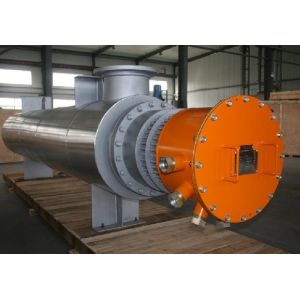
As a widely used heating device, tubular electric heaters play a crucial role in industrial production. With the continuous development of technology, tubular electric heaters have transformed from traditional heating tools into modern heating solutions that integrate efficiency, intelligence, and safety. This article will delve into the latest technologies and key features of tubular electric heaters, and how they meet the needs of different industries.
Overview of Tubular Electric Heaters
Tubular electric heaters typically consist of one or more heating elements, which are enclosed in a metal tube and generate heat through electric current. The metal tube can be shaped according to application requirements, such as straight, U-shaped, or spiral, to accommodate various installation spaces and heating needs.
Key Technologies and Features
High Efficiency and Energy Saving: Advanced heating element materials, such as nickel-chromium alloy (NiCr) and iron-chromium-aluminum alloy (FeCrAl), are used. These materials have good electrical conductivity and high-temperature resistance, enabling higher thermal conversion efficiency.
Intelligent Control: Integrated advanced temperature control technologies, such as PID controllers and microprocessors, ensure precise temperature control and reduce energy waste.
Long Lifespan: High-quality insulation materials, such as magnesium oxide powder, and high-temperature and corrosion-resistant metal tube materials, such as stainless steel, significantly improve the service life of the heater.
Safety: Built-in multiple safety protection measures, such as overheat protection switches and circuit breakers, effectively prevent safety accidents.
Flexibility: Provides multiple voltage levels, power ranges, and size specifications, and can be customized according to customer requirements.
Application Scenarios
Chemical Industry: Used for heating chemical reactors, insulation of fluid transmission pipelines, etc.
Food Processing: Provides precise temperature control in baking, cooking, and food processing.
Oil and Gas: Used for heating oilfield extraction equipment, anti-freezing of natural gas transmission pipelines, etc.
Pharmaceutical Industry: Achieves precise temperature control in drug production processes.
Aerospace: Used for preheating aircraft components, anti-icing systems, etc.
Typical Cases
Case 1: A chemical enterprise used tubular electric heaters to heat a reactor, achieving precise temperature control through an intelligent control system, which not only improved production efficiency but also reduced energy consumption.
Case 2: A food processing enterprise adopted customized tubular electric heaters for temperature control in baking ovens, effectively improving product quality and consistency.
Challenges and Future Trends
Challenges: With increasing environmental awareness, reducing energy consumption and improving heating efficiency have become important topics.
Trends: Developing higher-performance materials, intelligent control technologies, remote monitoring systems, etc., will be future development directions.
Conclusion
Tubular electric heaters play an important role in multiple industries due to their high efficiency and reliability. With continuous technological innovation, future tubular electric heaters will become more intelligent and energy-saving, better serving industrial production and daily life.
Through this article, we hope to provide you with a comprehensive understanding of tubular electric heaters and how they meet the needs of modern industry through the fusion of innovative technology and reliable performance.