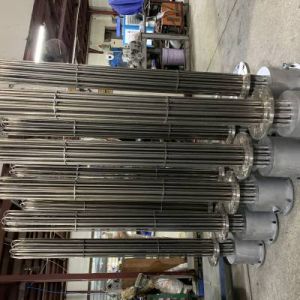
These heaters can not only operate safely in potentially explosive environments but also be used to heat various types of materials. Below is an overview of the versatility of explosion-proof electric heaters.
The Versatility of Explosion-proof Electric Heaters: Heating Liquid, Gas, or Solid Materials
Overview
Explosion-proof electric heaters are heating equipment specifically designed for potentially explosive environments. They not only ensure safe operation in hazardous environments but can also be flexibly used to heat different types of materials, including liquids, gases, and solids. This versatility makes them an ideal choice for many industries.
Heating Liquids
In industries such as chemical, petroleum, and natural gas, explosion-proof electric heaters are commonly used to heat liquid materials. These heaters can ensure safe heating of liquids in environments where explosive gases or dust may exist. Common application scenarios include:
Chemical reactors: Used to heat reaction media to promote chemical reactions.
Storage tanks: Heating liquids stored in tanks to maintain their fluidity.
Pipelines: Heating liquids in transfer pipelines to prevent condensation or freezing.
Wastewater treatment: Heating wastewater to improve treatment efficiency.
Heating Gases
In the oil and natural gas industries, explosion-proof electric heaters are also commonly used to heat gases to maintain gas fluidity and reduce the formation of condensate. For example:
Natural gas pipelines: Heating the natural gas being transported to prevent solidification of liquefied hydrocarbons.
Compressor inlets: Heating the gas entering the compressor to improve compression efficiency.
Gas storage tanks: Heating stored gas to ensure it remains easy to handle in low-temperature environments.
Heating Solid Materials
In some specific applications, explosion-proof electric heaters can also be used to heat solid materials, such as:
Drying: Heating solid materials to remove moisture.
Melting: Heating solid materials to their melting point to transform them into a liquid state.
Preheating: Heating solid materials to a suitable temperature to improve the efficiency of subsequent processing steps.
Technical Features
To achieve the above versatility, explosion-proof electric heaters adopt advanced technology and materials, including:
Efficient heating elements: Using high-quality resistance wires or resistance strips to ensure rapid and uniform heating.
Precise temperature control: Built-in temperature sensors and controllers allow precise control of heating temperature.
Safety design: Explosion-proof enclosures and junction boxes ensure safe operation in potentially explosive environments.
Application Cases
Chemical industry: Used to heat chemicals in reaction vessels to accelerate reaction processes.
Oil and natural gas industry: Heating crude oil or natural gas to ensure fluidity during transportation.
Pharmaceutical industry: Used in heating steps during drug synthesis.
Food processing: Heating food ingredients to promote fermentation or improve taste.
Conclusion
Explosion-proof electric heaters play an important role in multiple industries due to their unique versatility. Whether heating liquids, gases, or solid materials, these heaters can ensure safe and efficient operation in potentially explosive environments, meeting various industrial heating needs.
The above is an overview of the versatility of explosion-proof electric heaters. If you need more detailed information or an introduction to specific applications, please let me know your specific requirements.