
In many industrial applications, heating is a critical step in the production process. Whether in plastic processing, chemical production, or food processing, reliable heating equipment is required to ensure the smooth progress of the process. As a widely used heating element, the tubular electric heater plays an important role in many industries due to its high efficiency and durability.
What is a Tubular Electric Heater?
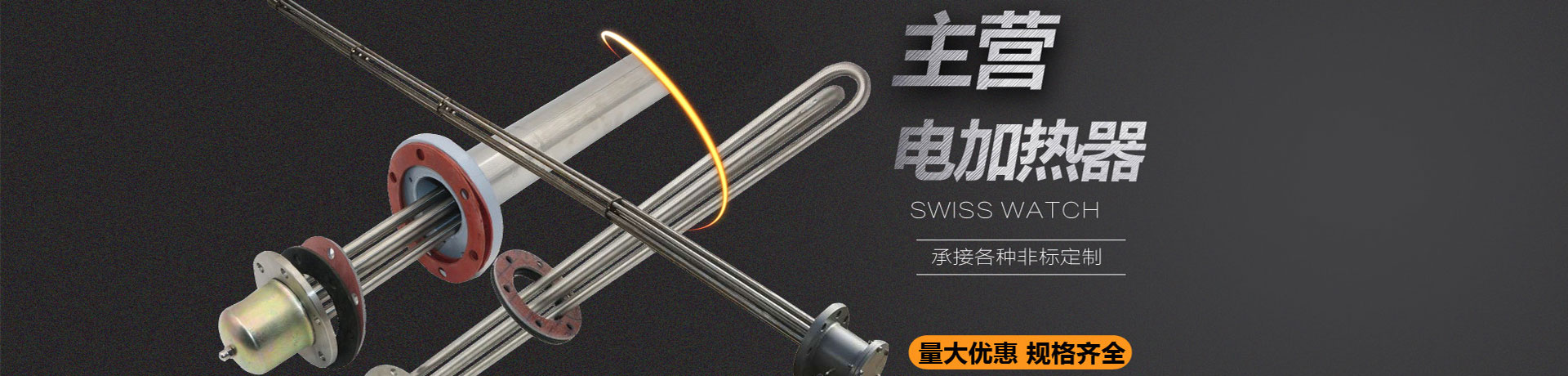
A tubular electric heater, also known as a straight tube heater or rod heater, is a device that converts electrical energy into thermal energy. It mainly consists of a metal tube with an internal resistance wire, typically using stainless steel or nickel-based alloy as the shell material to withstand high temperatures and corrosion. The heater is equipped with leads or connection terminals at both ends for easy installation and electrical connection.
Working Principle
The working principle of a tubular electric heater is based on resistance heating. When current passes through the heating element (usually a resistance wire made of nickel-chromium alloy or iron-chromium-aluminum alloy), the wire generates heat. This heat is conducted through the metal tube wall to the surrounding medium (such as liquid or gas), thereby achieving the purpose of heating.
Main Features
Efficient Heating: Due to direct contact with the heated medium, the tubular electric heater can transfer heat quickly and has high heating efficiency.
Compact Structure: The tubular design makes it easy to install in limited spaces.
Durability: Made of high-quality materials, it can resist high temperatures and chemical corrosion, extending service life.
Adaptability: Heaters with different power, length, and diameter can be customized according to different heating needs.
Safety and Reliability: Equipped with overheat protection devices to prevent damage caused by excessive temperature.
Application Fields
Due to its unique advantages, the tubular electric heater is widely used in multiple fields:
Chemical Industry: Used for heating liquids in reactors, storage tanks, and other containers.
Plastic Industry: Used in injection molding machines, extruders, and other equipment to heat plastic raw materials.
Food Processing: Used in hot water tanks, steam generators, and other equipment to provide heat for food heating or sterilization.
Water Treatment: Used in water heating systems to raise water temperature to meet disinfection or industrial water needs.
Usage Precautions
Although tubular electric heaters have many advantages, the following points should be noted during use:
Correct Selection: Choose appropriate power and size according to actual heating needs to avoid overload or insufficient heating.
Stable Installation: Ensure the heater is firmly installed to prevent poor contact due to vibration or displacement.
Regular Inspection: Regularly check the working status of the heater, especially the electrical connections, to ensure safe operation.
Maintenance: Perform maintenance according to the manufacturer's recommendations and replace aging parts in a timely manner.
Conclusion
With its high efficiency and durability, the tubular electric heater has become an ideal choice for industrial heating applications. With continuous technological advancement, future tubular electric heaters will become more intelligent and better serve the needs of various industries.
This article outlines the basic concepts, working principles, and industrial applications of tubular electric heaters. If you need more detailed information or have other requirements, please feel free to let us know.