
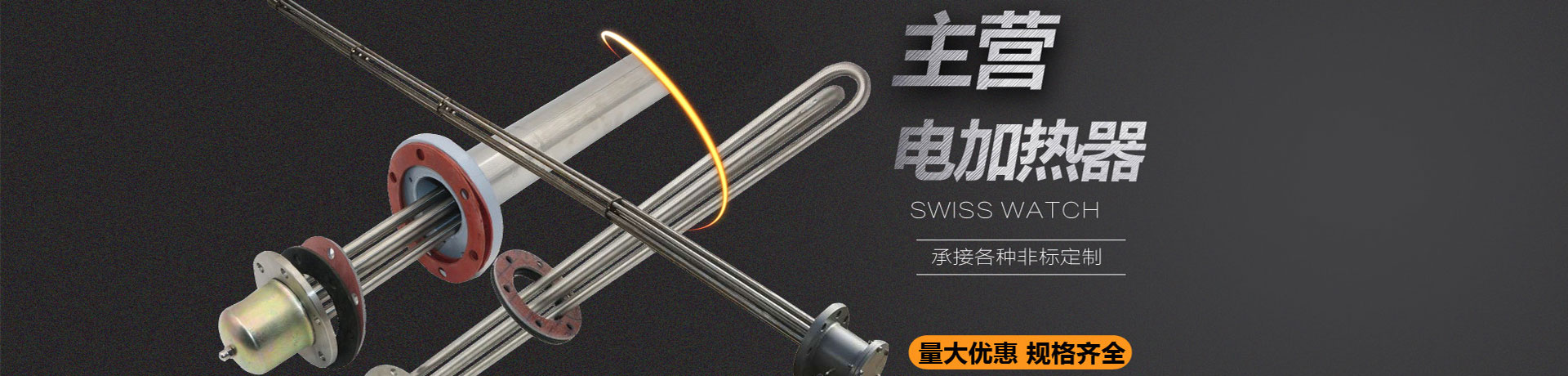
Here is a summary of core information about explosion-proof electric heaters:
1. Working Principle
- Energy Conversion: Utilizes electric current passing through resistance elements (such as heating wires, PTC ceramics, etc.) to generate heat energy.
- Heat Transfer: Heat is transferred to the heated object through a heat-conducting medium (such as fluid, air, or solid contact surface).
- Explosion-proof Core:
- Flameproof Type (Ex d): Encloses components that may produce sparks in a sturdy enclosure. Even if an internal explosion occurs, the enclosure can withstand the pressure and prevent flame propagation to the external environment.
- Increased Safety Type (Ex e): Applies additional protective measures (such as enhanced insulation, temperature rise limitation) to components that do not produce sparks, arcs, or dangerous high temperatures during normal operation, to prevent hazards under fault conditions.
- Intrinsic Safety Type (Ex i): Limits the energy (voltage and current) in the circuit so that any sparks or thermal effects produced under any fault condition are insufficient to ignite the explosive mixture.
- Pressurized Type (Ex p): Fills the equipment enclosure with protective gas, maintaining internal pressure higher than the external environmental pressure, preventing external explosive gases from entering.