I
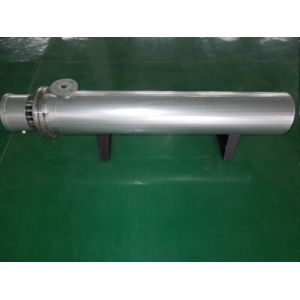
A tubular electric heater is a device that converts electrical energy into heat energy, playing an important role in industrial production and daily life. This article will introduce in detail the working principle, technical characteristics, application fields, and future development trends of tubular electric heaters.
II. Working Principle and Structure
Working Principle
The working principle of a tubular electric heater is to convert electrical energy into heat energy through resistance heating. When current passes through the resistance wire inside the heating tube, the resistance wire generates heat, which is then transferred to the surrounding medium or object through heat conduction, convection, or radiation.
Structural Composition
A tubular electric heater usually consists of the following parts:
Resistance wire: usually made of nickel-chromium alloy (NiCr) or iron-chromium-aluminum alloy (FeCrAl), with good electrical conductivity and high-temperature resistance.
Insulation material: used to wrap the resistance wire to prevent leakage, commonly used insulation materials include magnesium oxide powder (MgO), ceramics, etc.
Metal shell: protects the internal structure and serves as a medium for heat transfer, commonly used materials include stainless steel, copper, etc.
Connectors: used to fix the heating tube and connect to the external circuit.
III. Technical Characteristics
High efficiency and energy saving: by precisely controlling the heating power, improve energy conversion efficiency and reduce energy consumption.
High temperature resistance: using high-temperature resistant materials, it can work stably for a long time in high-temperature environments, with a maximum working temperature of up to 800°C or even higher.
Long lifespan: high-quality materials and fine manufacturing processes ensure a long service life for the heating tube.
Safety: designed with multiple safety protection measures, such as overheat protection, leakage protection, etc., to ensure safe use.
Versatility: heating tubes of different shapes and sizes can be designed according to different heating needs, suitable for various heating occasions.
IV. Application Fields
Tubular electric heaters are widely used in the following fields:
Industrial production: used in heating processes in industries such as chemical, petroleum, and pharmaceutical, such as heating liquids, gases, solids, etc.
Household appliances: heating elements in appliances such as electric water heaters, electric ovens, and electric heaters.
Agriculture: used for greenhouse heating, insulation in aquaculture, etc.
Scientific research experiments: used in laboratories to heat experimental samples or solutions.
Water treatment: used in processes such as water heating and disinfection.
V. Usage Cases
For example, in the production workshop of a chemical enterprise, technicians use tubular electric heaters to heat the liquid in a reactor. By precisely controlling the heating power, they ensure the temperature of the materials in the reactor remains constant, improving the stability and efficiency of the production process.
VI. Development Trends
With technological advancement, tubular electric heaters are developing in the following directions:
Intelligence: integrating more intelligent control functions, such as automatic adjustment of heating power, remote monitoring, etc.
Energy saving and environmental protection: adopting more efficient materials and designs to reduce energy consumption and minimize environmental impact.
Multifunctional integration: in addition to heating functions, other functions can be integrated, such as temperature monitoring, fault alarms, etc.
Portability and durability: more compact and durable designs suitable for use in various environments.
Customization: providing customized heating solutions according to the special needs of different users.
VII. Conclusion
As a key component for converting electrical energy into heat energy, tubular electric heaters have been widely used in many fields due to their high efficiency, safety, and reliability. With continuous technological advancement, future tubular electric heaters will become more intelligent, environmentally friendly, and possess stronger functionality and durability, providing better solutions for heating needs in various industries.
This article provides an overview of the basic concepts, technical characteristics, application fields, and future development trends of tubular electric heaters. The specific content can be further expanded or adjusted according to actual needs. If there are any specific requirements or topics that need further discussion, please feel free to let us know.