
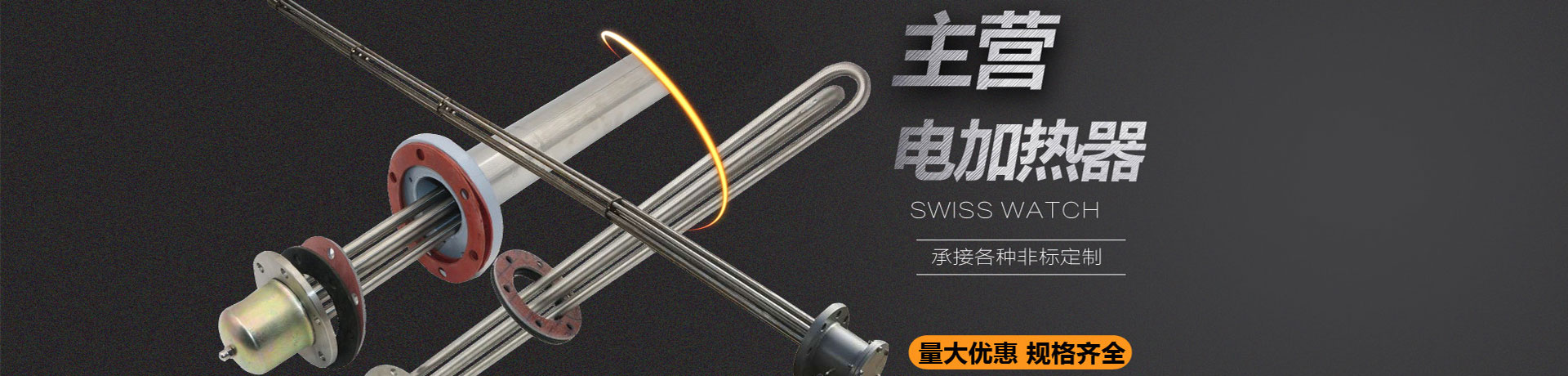
Explosion-proof electric heater is an industrial heating equipment specially designed for flammable and explosive environments
Unlike ordinary heaters, its core design concept is not "preventing failures", but "even if a failure occurs, it will not ignite the external environment". Through special structural design and material selection, it completely isolates potential electric sparks, arcs, or high-temperature surfaces from external explosive gases and dust, ensuring safe operation in high-risk places such as petroleum, chemical, and coal mining industries.
⚙️ Core Explosion-proof Principle
The "explosion-proof" of explosion-proof electric heaters is mainly reflected in the following two aspects:
Flameproof Enclosure (Ex d):
This is the most core protective measure. Components that may generate sparks, such as the junction box and control cavity of the heater, are enclosed in a sturdy flameproof enclosure (usually made of cast steel, cast aluminum, or stainless steel).
Principle: If an explosion occurs inside the enclosure, the sturdy shell can withstand the explosion pressure without cracking; at the same time, the joint surface (flameproof surface) of the enclosure has special gap and width designs that can cool the flames and high-temperature gases ejected from the inside, preventing them from igniting external flammable and explosive gases.
Intrinsic Safety and Temperature Control Protection:
Spark-free Design: For certain key components, intrinsically safe circuits are adopted to limit energy, ensuring that even a short circuit will not produce sparks sufficient to ignite gases.
Surface Temperature Control: Strictly control the surface temperature of the heater to ensure it is lower than the ignition temperature of the on-site explosive gas (i.e., temperature class, such as T1-T6).
Multiple Protections: Equipped with independent overheat protection devices (such as thermocouples and thermostats), once overheating or dry burning is detected, the power supply is immediately cut off.