
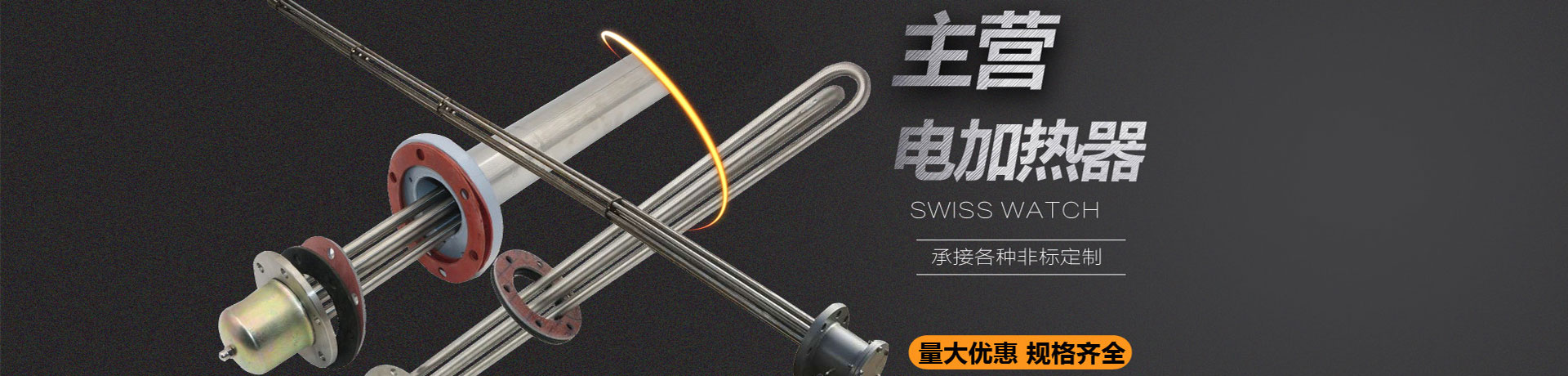
Characteristics of Meltblown Fabric Heater
To ensure correct and reliable use of the electric heater, it must be installed and used by qualified personnel, and the heater must be carefully maintained. Only when used by qualified personnel who are familiar with the installation, startup, use, and maintenance of similar heaters can the electric heater operate well. Operators must carefully read this instruction manual. The safety instructions are included in the accompanying materials of the electric heater, containing relevant safety regulations and effective electrical installation and operation content. This electric heater is produced and tested according to standards. The electric heater has intact protective devices when leaving the factory. To protect and ensure safe use of the electric heater, users must pay attention to the relevant descriptions in the instruction manual. If the operation is not carried out according to the instruction manual, it may lead to personal injury or even death, or damage to equipment and facilities connected to the electric heater. In any case, if the content designed in the instruction manual is incorrect, please contact the manufacturer at the address in the following manual. If the electric heater has obvious damage, malfunction, or improper storage, the electric heater cannot be safely operated.
Technical parameters:
Used for heating oil in open or closed oil tanks. Model Voltage (V) Power (kW) Dimensions and installation size (mm) Weight (kg)
Technical parameters:
1.SRY2-220/3 220 3 707 630 " 2.35 Installation hole is 0.72 mm
2. Working voltage allowable error: not greater than 1.1 times its rated value, the shell should be effectively grounded.
3. Working environment: relative humidity not greater than 95%, no explosive and corrosive gases.
4. Metal tube material: No. 10 steel
5. Maximum working temperature: 300°C
6. Working pressure less than 2 kg/cm².
Working principle:
For example, an electric heater uses the eddy current generated by metal in an alternating magnetic field to heat itself and absorb, converting electrical energy into light energy; for example, a solar water heater absorbs solar radiation heat and solar light energy (photoelectric effect) and converts them into thermal energy, combining both; bioenergy is a form of energy stored as chemical energy using organisms as carriers, directly or indirectly derived from plant photosynthesis. In addition, there are other energy conversion modes such as nuclear energy and wind energy, but they generally need to be converted into electrical energy for use.
Equipment differenceMeltblown fabric heater
The difference between a heater and a frequency converter:
A frequency converter can only change the frequency of alternating current, thereby changing the rotational speed of the motor, to achieve the purpose of changing the motor's output power. However, a heater does not rotate, so frequency conversion cannot control the heating speed.