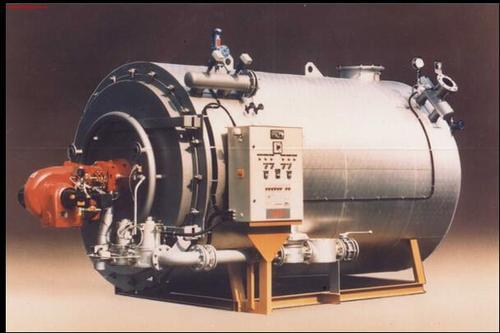

Meltblown Fabric HeaterFeatures
Product Name: Meltblown Fabric Heater
Model:
Product Features: The meltblown fabric heater is used for heating fluids that need to be heated, such as process water, superheated steam, molten salt, nitrogen (air) gas, water gas, etc.
Detailed Information of Meltblown Fabric Heater:
Meltblown Fabric Heater
Working Principle:
It is a device that converts electrical energy into thermal energy to heat the material to be heated. During operation, the low-temperature fluid medium enters the input port through the pipeline under pressure, and along the specific heat exchange flow channel inside the electric heating container, designed based on fluid thermodynamics principles, it carries away the high-temperature thermal energy generated by the electric heating elements during operation, raising the temperature of the heated medium. The outlet of the electric heater obtains the high-temperature medium required by the process. The internal control system of the electric heater automatically adjusts the output power of the electric heater based on the temperature sensor signal at the outlet, ensuring uniform temperature of the medium at the outlet. When the heating element overheats, the independent overheat protection device of the heating element immediately cuts off the heating power supply, preventing the heated material from overheating and causing coking, deterioration, or carbonization, which in severe cases could burn out the heating element, effectively extending the service life of the electric heater.
Application Occasions:
1. Heating and raising temperature of chemical materials in the chemical industry, drying of certain powders under pressure, chemical processes, and spray drying.
2. Heating of hydrocarbons, including crude oil, heavy oil, fuel oil, heat transfer oil, lubricating oil, paraffin, etc.
3. Heating of fluids that need to be heated, such as process water, superheated steam, molten salt, nitrogen (air) gas, water gas, etc.
4. Due to the adoption of advanced explosion-proof structures, the equipment can be widely used in chemical, petroleum, natural gas, offshore platforms, ships, mining areas, and other places requiring explosion-proof measures.
Meltblown Fabric Heater
Precautions:
1. The element is allowed to work under the following conditions:
A. The relative humidity of air is not more than 95%, and there is no explosive or corrosive gas. (Except for explosion-proof heaters)
B. The working voltage should not exceed 1.1 times the rated value, and the shell should be effectively grounded.
C. Insulation resistance ≥1MΩ, dielectric strength: 2KV/1min.
2. The electric heating tube should be properly positioned and fixed. The effective heating zone must be fully immersed in liquid or solid metal, and dry burning is strictly prohibited. If scale or carbon deposits are found on the surface of the tube, they should be cleaned promptly before reuse to avoid affecting heat dissipation and shortening the service life.
3. When heating fusible metals or solid nitrate, alkali, asphalt, paraffin, etc., the operating voltage should be reduced first, and only after the medium melts can the voltage be raised to the rated value.
4. When heating air, the elements should be arranged crosswise and evenly to ensure good heat dissipation conditions and fully heat the passing air.
5. When heating nitrate, safety measures should be considered to prevent explosion accidents.
6. The wiring part should be placed outside the insulation layer to avoid contact with corrosive, explosive media, and moisture. The lead wires should be able to withstand the temperature of the wiring part and the heating load for a long time. When tightening the wiring screws, avoid excessive force.
7. The element should be stored in a dry place. If the insulation resistance is lower than 1MΩ due to long-term storage, it can be dried in an oven at about 200°C, or heated by reducing the voltage until the insulation resistance is restored.
8. The magnesium oxide powder at the outlet end of the electric heating tube should be protected from pollutants and moisture in the usage environment to prevent leakage accidents.