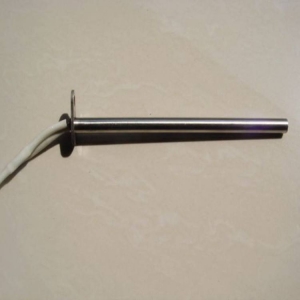
In modern industrial production, especially in fields involving flammable and explosive environments such as chemical, petroleum, natural gas, and pharmaceutical industries, explosion-proof electric heaters have become indispensable key equipment. They not only provide necessary thermal support but also fully consider safety in their design, ensuring stable operation even in potentially explosive atmospheres. This article will focus on the principles, characteristics, and applications of explosion-proof electric heaters in industrial practice.
Working Principle and Design Features
The core of an explosion-proof electric heater lies in its explosion-proof design, which typically involves multiple aspects, including but not limited to:
Electrical isolation and protection: The internal circuits of the equipment are completely isolated from the outside to prevent electrical faults from generating sparks that could cause explosions.
Material selection: High-quality materials that are resistant to high temperatures and corrosion are used to ensure the equipment maintains good performance under harsh conditions.
Heat dissipation and temperature control: Built-in efficient heat dissipation systems, combined with precise temperature control systems, prevent overheating and ensure the heating process is safe and controllable.
Pressure management: For heaters using media such as thermal oil, pressure management systems are designed to avoid safety hazards caused by excessive pressure.
Safe Operating Procedures
To ensure the safe operation of explosion-proof electric heaters, operators should follow a series of procedures, including:
Regular inspection and maintenance: Regularly inspect electrical connections, casings, and interfaces to ensure there is no aging, rusting, or leakage.
Preheating and startup: Before use in cold environments, take preheating measures to prevent the medium from freezing and expanding.
Gas and power synchronization: Ensure the gas supply is stable before powering on; if the gas flow suddenly stops, cut off the power immediately.
Grounding and voltage limits: Ensure the equipment is effectively grounded and the working voltage does not exceed 1.1 times the rated value.
Industry Applications
Explosion-proof electric heaters play a significant role in multiple industries due to their unique advantages:
Chemical industry: Used in processes such as synthesis, purification, and heating of chemicals to ensure stable reaction conditions.
Oil and gas: Provide necessary thermal energy in stages such as crude oil processing and natural gas treatment.
Pharmaceutical industry: Achieve precise temperature control in processes such as drug preparation and raw material mixing.
Power and energy: Used in facilities such as power plants and substations for equipment preheating and thermal insulation.
Conclusion
Explosion-proof electric heaters provide safe and efficient heating solutions for industrial production through their rigorous design and operating procedures. When selecting and using such equipment, full consideration should be given to the specific characteristics of the working environment to ensure that the selected heater meets the corresponding explosion-proof level and safety standards, thereby safeguarding production and personnel safety. With continuous technological advancement, future explosion-proof electric heaters will become more intelligent and environmentally friendly, better serving the needs of industrial development.