
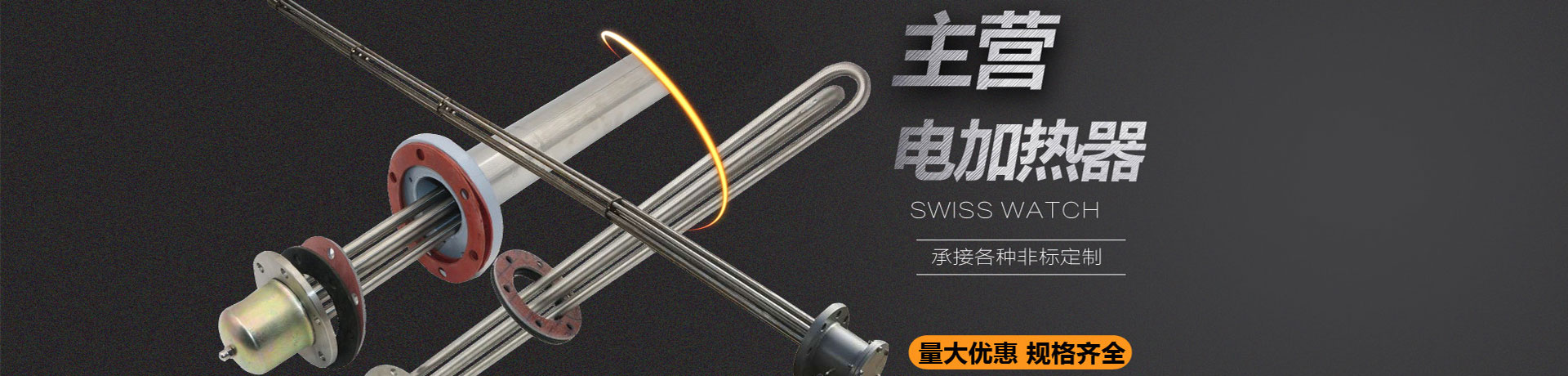
durable heating device widely used in multiple industrial fields, including plastic machinery, cable manufacturing, chemical, rubber, and petroleum industries. The following is a detailed introduction to cast aluminum electric heaters, covering their construction, working principle, characteristics, advantages, and application scope.
Construction and Working Principle
Cast aluminum electric heaters mainly consist of tubular electric heating elements and a cast aluminum alloy shell. The heating element, serving as the heat source, is typically made of high-quality resistance alloy, precisely processed and bent into shape, then embedded into the cast aluminum material and integrally formed through a die-casting process. This process not only gives the heater a sturdy structure but also ensures excellent thermal conductivity. When heating, current passes through the heating element to generate heat, which is quickly and evenly transferred to the surface of the heater, thereby heating the surrounding air or other media.
Characteristics and Advantages
Efficient heat distribution: The excellent thermal conductivity of cast aluminum material ensures uniform surface temperature, effectively avoiding local overheating and improving thermal efficiency.
Long lifespan: Due to the use of high-quality heating elements and high-temperature-resistant, oxidation-resistant cast aluminum materials, cast aluminum electric heaters have a long service life.
High mechanical strength: The cast aluminum shell provides excellent mechanical strength and stability, suitable for harsh industrial environments.
Thermal insulation performance: By adding insulation devices on the external heat dissipation surface, heat loss can be effectively reduced, saving energy.
Corrosion resistance and anti-magnetic interference: Cast aluminum material itself has good corrosion resistance, and the structural design can resist certain electromagnetic interference.
Easy installation and maintenance: Standardized design and flange connections make installation simple and quick, and daily maintenance is relatively easy.
Application Scope
Plastic machinery: Used for mold heating in injection molding machines, extruders, and other equipment to ensure uniform plastic melting.
Cable machinery: Heats materials in cable production lines to promote mixing and plasticization.
Chemical industry: Used for heating reactors, storage tanks, and other equipment to maintain temperature conditions required for specific chemical reactions.
Rubber processing: Provides necessary heat during rubber vulcanization.
Petroleum industry: Used for anti-freezing insulation of pipelines and oil tanks, as well as preheating crude oil.
Maintenance and Precautions
Although cast aluminum electric heaters are designed to be durable, it is still necessary to regularly check whether the electrical connections are intact, whether the shell is damaged, and whether the working environment meets requirements. Avoid overload use and follow rated voltage and current to ensure safety and efficiency.
In summary, cast aluminum electric heaters occupy an important position among numerous industrial heating solutions due to their unique structural design, excellent performance, and wide application range, making them an ideal choice for improving production efficiency and optimizing energy utilization.