Slow oil temperature rise in the tank, coking on the heater surface, or moisture ingress into the wiring cavity at the equipment site are often related to improper selection of the structural form, voltage matching, and installation method of sheathed electric heaters. Technical engineers need to focus on the following issues during the selection stage.
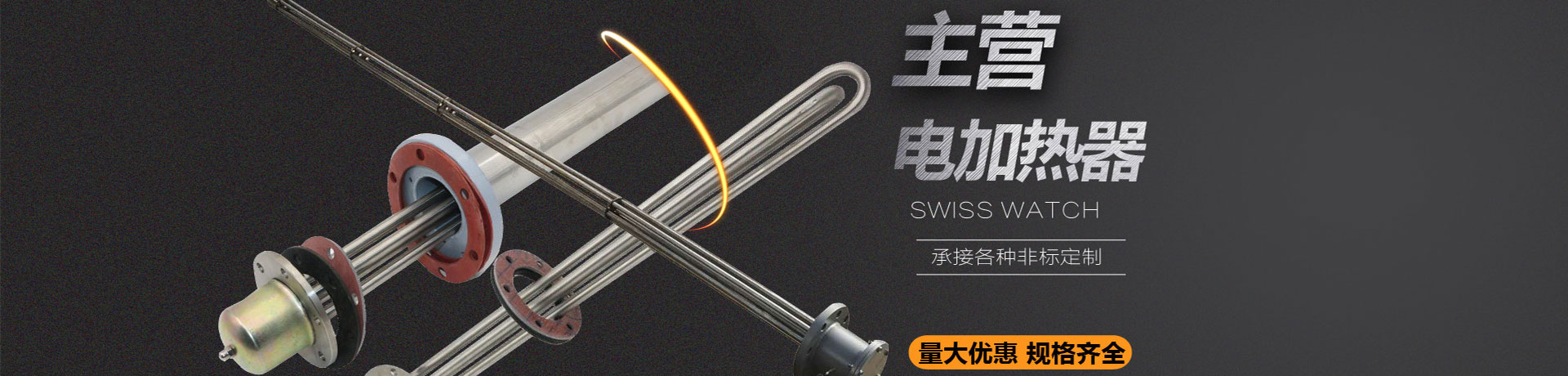
Sheathed electric heaters consist of a metal sheath, resistance wire, and insulating filler. The sheath material should be selected according to the heated medium. For heating neutral media such as hydraulic oil and heat transfer oil, carbon steel sheaths can be used; if the medium is weakly acidic or contains moisture, stainless steel sheaths are recommended to reduce corrosion risk. The sheath surface load should be controlled within a reasonable range to avoid localized overheating that causes medium carbonization and coking.
The allowable working voltage error shall not exceed 1.1 times the rated value; overvoltage operation will accelerate resistance wire aging. During selection, confirm that the on-site power supply voltage matches the heater rated voltage and ensure effective grounding of the enclosure. For applications requiring connection to a temperature control system, reserve a thermocouple mounting position or choose a structure with a built-in temperature sensing element.
Sheathed electric heaters are often embedded into oil tanks, pipelines, and reactors via threads or flanges. During selection, verify the mounting hole diameter, thread specification, and insertion depth to ensure the heating section is fully immersed in the medium. The sealing structure should adapt to a certain pressure and temperature range to prevent medium from penetrating into the wiring cavity.
This product is suitable for scenarios such as hydraulic station oil tank preheating, lubrication system insulation, and chemical pipeline heat tracing. Power selection should be calculated based on medium volume, heating time, and heat dissipation conditions to avoid localized overheating caused by excessive power or slow heating caused by insufficient power. The sturdy, well-sealed sheathed structure can meet the continuous operation requirements of various industrial environments.