Flanged stainless steel heating tube, high-power electric heating rod, thermal oil, industrial water tank boiler heater
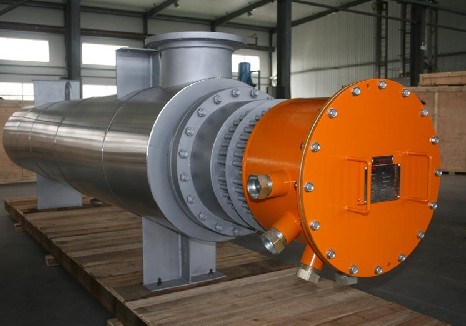
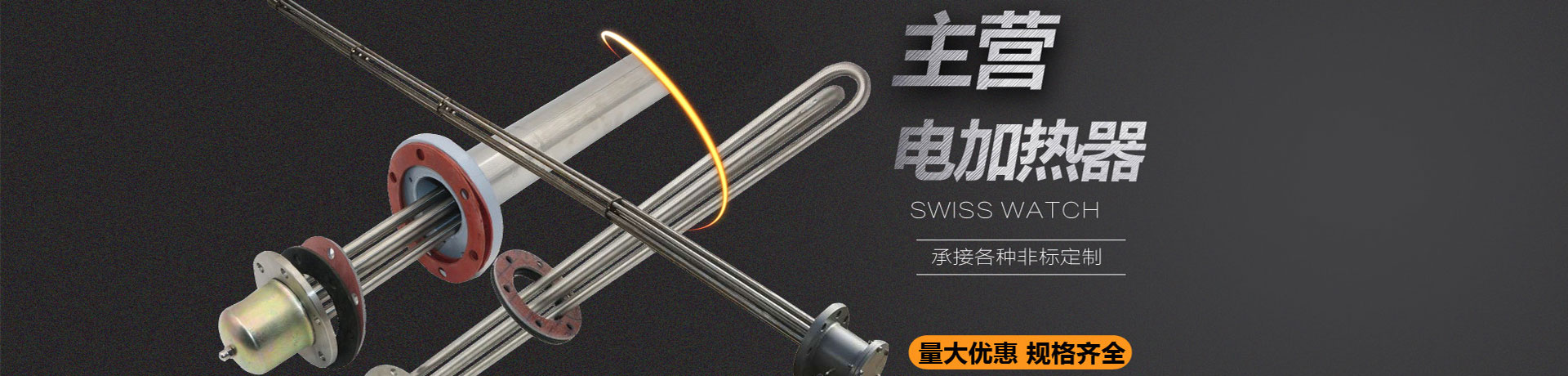
The "flanged stainless steel heating tubes, high-power electric heating rods, thermal oil, and industrial water tank boiler heaters" you mentioned are core equipment in the industrial thermal energy field. Such products are typically composed of multiple U-shaped tubular electric heating elements welded onto a flange, featuring a compact structure, high thermal efficiency, and uniform heating, capable of withstanding high pressure and achieving centralized heating.
Based on industry data, here is a summary of the core technology, selection points, and application scenarios for this type of industrial heating equipment:
1. Core Structure and Explosion-Proof Design
Highly Integrated Structure: Multiple heating tubes are connected to the flange cover via argon arc welding or fastening devices, making the overall structure short and dense, with good stability and no need for brackets during installation.
Explosion-Proof and Safety Protection: For flammable and explosive environments, the junction box adopts an explosion-proof structure (such as ExdⅡBT4, ExdⅡCT6 levels, with protection levels up to IP54-IP66). The system is equipped with an interlock protection device that immediately cuts off the power supply when the heating element overheats or when the liquid level is low, preventing dry burning damage.
Precise Temperature Control: Supports PID intelligent calculation control, using solid-state relays or thyristors for high-frequency fine-tuning of heating power, with temperature fluctuations controlled within ±1°C, enabling long-term unattended automatic operation.
2. Material Selection and Working Condition Matching
Since the heating medium varies, the choice of tube material is crucial and directly determines the service life of the equipment:
General Water Environment: For ordinary tap water or weak acid/alkali water (pH 6-8), SUS304 stainless steel is suitable and cost-effective.
High Chloride Ion Environment: When heating seawater, swimming pool water, or saline water, SUS316L stainless steel must be used to enhance resistance to chloride ion corrosion and prevent tube wall perforation.
Strongly Corrosive Environment: For highly corrosive chemical media such as concentrated sulfuric acid and nitric acid, titanium tubes, Teflon, or Hastelloy (such as C276) are recommended.
High-Temperature Dry Environment: For thermal oil or high-temperature air heating, high-temperature resistant nickel-chromium alloys (such as Incoloy 800/840) are recommended, which are less prone to embrittlement and deformation during long-term operation.
3. Main Application Areas and Media
Such flanged heaters are widely used in petrochemical, food and pharmaceutical, and machinery manufacturing industries, mainly for heating and insulation in open or closed containers and circulation systems:
Liquid Heating: Process water, thermal oil, heavy oil, asphalt, acid and alkali solutions, etc.
Gas Heating: Constant temperature heating of fluids such as air and nitrogen.
4. Common Specifications and Customization Parameters
Industrial heating equipment is mostly custom-made, with common parameter ranges including:
Working Voltage: Generally supports 220V single-phase and 380V three-phase power.
Power Range: The power of a single unit or combined units varies greatly, from a few kilowatts (such as 3KW, 6KW) to hundreds of kilowatts (such as 100KW, 200KW, or even 500KW).
Flange Connection: Flat flange sizes cover DN10 to DN1200, threaded flanges commonly range from 1 inch to 2 inches, and customization according to customer drawings is supported.
💡 Selection and Procurement Suggestions
To ensure safe and efficient operation of the heating equipment, when purchasing or customizing, it is recommended to clearly provide the following key parameters to the manufacturer:
Medium Characteristics: Clearly specify the heating medium name (whether it contains chloride ions, is prone to coking, and its corrosiveness).
Temperature and Power: The initial temperature, target temperature, required heating time, and working voltage of the medium.
Installation Dimensions: Flange specifications (such as DN100), insertion depth, and installation method.
Environmental Requirements: Confirm whether explosion-proof certification is required on site and the specific explosion-proof level requirements.