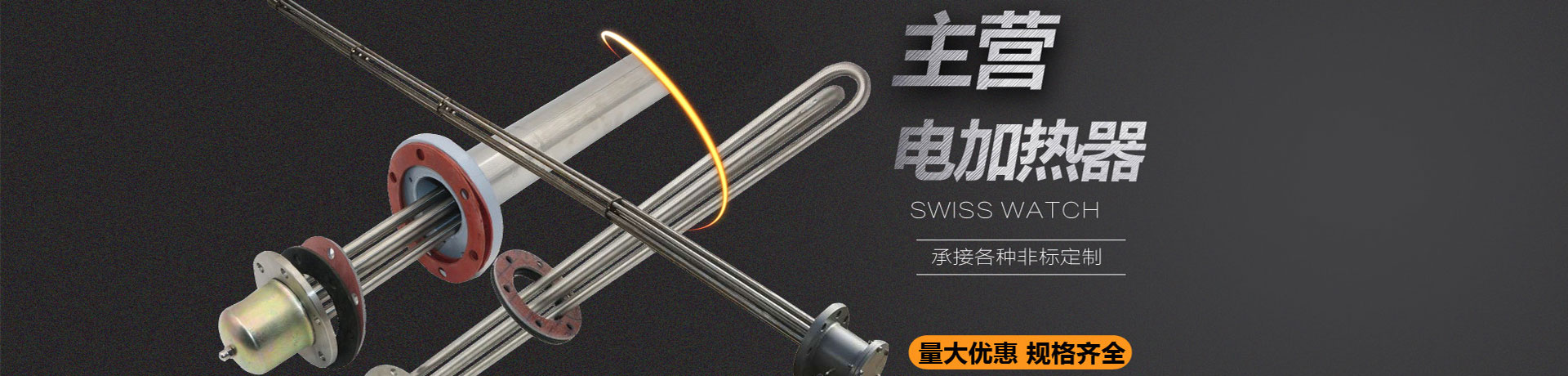
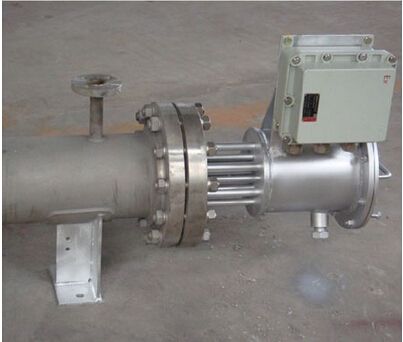
Tubular electric heater
A tubular electric heater is an electric heating element that efficiently converts electrical energy into thermal energy. Its core structure involves placing a spiral resistance wire inside a metal tube and filling the gaps with magnesium oxide powder, which has excellent thermal conductivity and insulation properties, followed by a tube shrinking process. When energized, the resistance wire generates heat, which is conducted through the magnesium oxide powder to the metal tube surface, and then heats the surrounding air, liquid, or solid media through radiation or convection.
Core structure and working principle
Metal protective tube: As the outer shell, it is typically made of stainless steel (such as 304, 316L), titanium alloy, carbon steel, or copper, providing high-temperature resistance, corrosion resistance, and mechanical protection.
Resistance wire: The heating core, usually made of high-resistance materials such as nickel-chromium alloy (Cr20Ni80) or iron-chromium-aluminum alloy (Fe-Cr-Al), uniformly wound around the center of the tube.
Magnesium oxide powder: Filled between the resistance wire and the tube wall, it offers excellent thermal conductivity and electrical insulation, ensuring efficient heat transfer and preventing leakage.
Sealed ends: Sealed with materials such as silicone, epoxy, or glass to prevent moisture or chemical substances from entering, ensuring insulation performance.
Main application fields
Tubular electric heaters have extremely wide applications, covering almost all scenarios that require heating:
Industrial heating
Fluid heating: Used for heating oil, water, and chemical solutions in circulation systems, such as hydraulic oil tanks and thermal oil furnaces.
Mold temperature control: Achieving constant temperature control of molds in injection molding machines and die-casting machines.
Pipe tracing: Providing freeze protection and insulation for petroleum and chemical pipelines.
Large storage tanks: Used for insulation, viscosity reduction, and anti-solidification of viscous or heat-sensitive liquids in storage tanks and pools.
Household appliances
Core heating elements in equipment such as electric water heaters, ovens, fan heaters, and coffee makers.
Special scenarios
Vacuum environments: Heating source for vacuum furnaces in semiconductor manufacturing.
High-temperature reactors: High-temperature reaction equipment in laboratories or chemical plants.
Low-melting-point metals: Melting salts, alkalis, and low-melting-point alloys, etc.
Technical advantages and common classifications
Main advantages
High efficiency and energy saving: The electrical-to-thermal conversion rate typically exceeds 95%, with minimal heat loss.
Safe and reliable: The magnesium oxide insulation layer withstands high voltage, and combined with leakage protection and overheat protection designs, safety is high.
Long lifespan: Made of oxidation-resistant materials, it can operate stably for 5000-10000 hours under reasonable working conditions.
Strong adaptability: Simple structure, high mechanical strength, and capable of adapting to various harsh environments.
Common classifications
Table
Download as table
Export as image
Classification dimension Type
By shape Straight tube, U-shaped, W-shaped, ring-shaped, spiral, special-shaped, etc.
By heating medium Dry-burning type (air heating), liquid immersion type
By power Low power (<1kW), medium power (1-10kW), high power (>10kW)
By structure Ordinary tubular, sheathed type (core replacement without draining the medium), armored type (good flexibility, bendable)
Selection and usage precautions
Key parameters for selection
Medium type: For heating liquids, consider corrosiveness and choose anti-corrosion materials such as titanium tubes or 316L stainless steel; for heating air, optimize the surface load.
Temperature and power: Select appropriate materials and magnesium oxide powder specifications based on the working temperature range; calculate the required power based on the medium's mass, specific heat capacity, and desired heating rate.
Installation space: Choose straight tubes, bent tubes, or custom shapes according to the container size and opening positions, ensuring the heating zone can be fully immersed in the medium.
Environmental conditions: In flammable and explosive places, explosion-proof heaters must be selected, and the explosion-proof level must be confirmed.
Surface load: This is a key parameter, especially for oil heating. Excessive surface load can cause local carbonization and degradation of the oil. Generally, it is recommended to be ≤0.7 W/cm².
Safety usage recommendations
Strictly prohibit dry burning: The effective heating zone of liquid heaters must be fully immersed in the liquid; no-load operation will instantly burn out the heating tube.
Reliable grounding: The metal shell must be effectively grounded to prevent leakage risks.
Regular maintenance: Timely clean scale, carbon deposits, or oil stains on the tube surface to avoid affecting heat dissipation and causing local overheating that shortens lifespan.
Check insulation: After long-term idle, measure the insulation resistance before use; if it is below 1MΩ, drying treatment is required.
Standard wiring: The wiring part should be placed outside the insulation layer to avoid contact with corrosive, explosive media, or moisture.
It is worth mentioning that Yangzhou City in Jiangsu Province, where you are located, is one of the important production bases for tubular electric heaters in China, gathering many professional manufacturers such as Yangzhou Haiyue Electric, providing geographical advantages in selection and procurement.