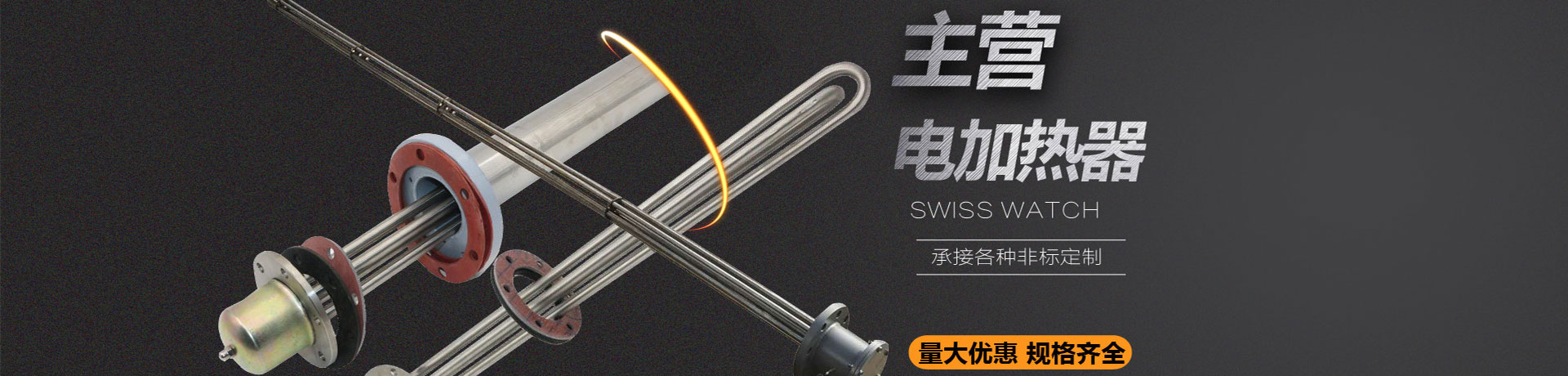
In a thermal oil circulation system, the tubular electric heater directly determines heating efficiency and operational safety. During design selection, comparing the GCD-15 tubular electric heater with flanged and finned designs helps clarify differences from a maintenance perspective.
The GCD-15 uses a metal tube shell with built-in resistance wire and an insulating heat-conducting medium filler. Single-unit replacement requires no system draining, and the maintenance window is short. Flanged designs require removing the flange cover, while finned designs are complex to clean after dust accumulates on the fins, resulting in relatively higher maintenance workload.
Compared with quartz far-infrared heating tubes, the tubular electric heater has a lower surface load, but the risk of magnesium oxide powder absorbing moisture under long-term high temperature requires attention. It is recommended to periodically measure cold-state insulation resistance and perform drying treatment when values fall below specified levels; keep terminal connections dry to avoid creepage. When multiple units are arranged in a staggered configuration, coordinating with the circulation pump can make the medium temperature uniform and reduce local overheating.
Design selection requires verifying power, voltage, tube diameter, and installation length to ensure compatibility with existing interfaces. Compared with similar solutions, the GCD-15 has a simple structure and good spare parts interchangeability, but the tube material must be selected according to medium corrosiveness; corrosion-resistant sleeves should be used in acid-base environments. Establishing replacement cycle records and scheduling preventive maintenance based on insulation test results can reduce the probability of unplanned downtime.