At steam turbine maintenance sites, design and selection personnel often encounter situations where bolts of the same specification, when using different heating solutions, show significant differences in disassembly/assembly efficiency and safety. Some solutions heat up steadily and are easy to operate, while others require repeated adjustments or even pose insulation hazards. As a component dedicated to heating inside bolt holes, the bolt electric heating rod requires comprehensive judgment in selection based on voltage matching, structural form, and operating environment. This article, from a comparative analysis perspective, sorts out the differences between this product and similar solutions for reference in design and selection.
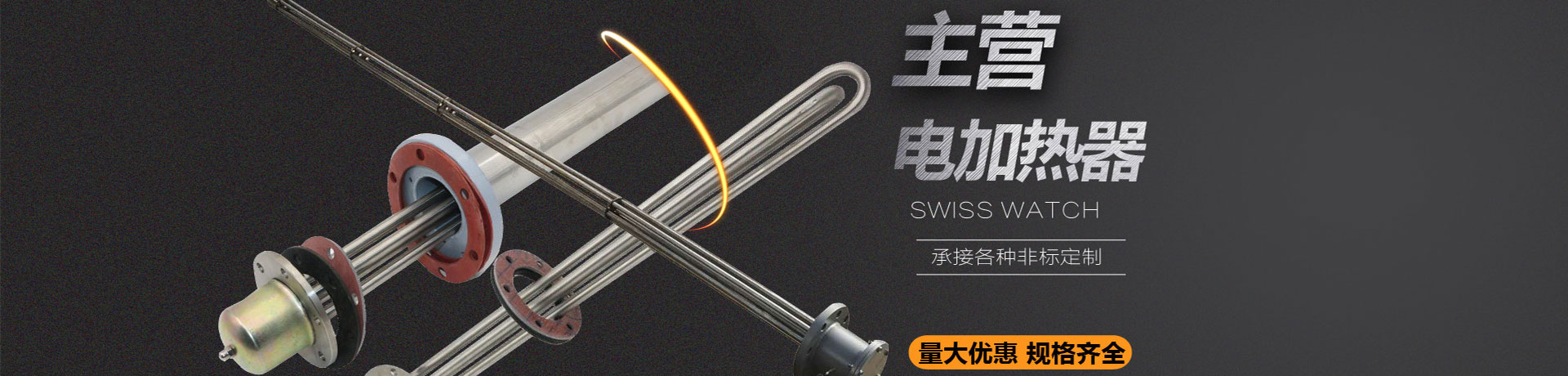
Traditional flame heating methods are difficult to control for bolt heating uniformity, carry a high risk of local overheating, and involve open flame operation hazards. When ordinary tubular electric heating elements are directly inserted into the center hole of bolts, due to insufficient matching of diameter and length, uneven heating or difficulty in removal is likely to occur. The bolt electric heating rod is designed for the center hole of bolts, with diameter specifications covering 10mm to 30mm and length range from 100mm to 4500mm, customizable according to bolt geometric dimensions, so that the heating section corresponds to the screw section and reduces direct heating of the thread and nut portions. Its protective sleeve adopts 1Cr18Ni9Ti heat-resistant stainless steel tube, the heating element is 0Cr27Al7Mo2 high-resistance electric heating alloy wire, and the insulation filling is dried high-purity magnesium oxide powder, maintaining structural stability at an operating temperature of 400°C.
Bolt electric heating rods are divided into several types according to matching and protection forms. The standard type consists of a heating rod and a power control cabinet, suitable for routine power plant boiler and steam turbine maintenance; the explosion-proof type has an enclosure and electrical components that meet explosion-proof standards, used in petrochemical, natural gas, and other flammable and explosive locations; the intelligent temperature control type is equipped with a PID temperature control module, can set heating curves, and is suitable for fastening high-alloy steel bolts sensitive to temperature; the flexible cable type is bendable and adapts to occasions with narrow operating spaces. During selection, it is necessary to compare the on-site environment, bolt material, and space conditions, and avoid substituting the standard type for occasions requiring explosion-proof or higher temperature control.
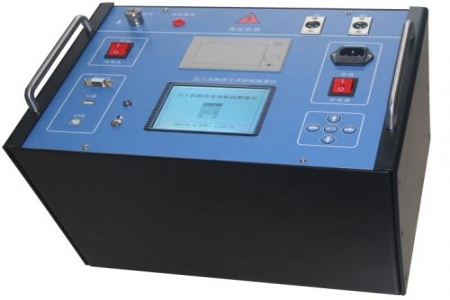
This product implements the standard ZBK54019-88, with rated voltage of 220V±20V, DC 100V or low voltage 50V, surface power density of 811W/cm², operating temperature of 400°C, insulation resistance ≥50MΩ, withstand voltage of 1500V/1min without breakdown, and cumulative service life of no less than 50 hours. Compared with ordinary electric heating elements, its parameter system is set for bolt heating working conditions. During selection, geometric dimensions such as bolt outer diameter, total length, and nut length should be checked to ensure a reasonable gap between the heating rod and the center hole wall. The heating position should be the screw section, and the center hole wall temperature must be controlled not to exceed the maximum service temperature of the bolt to prevent local overheating. The control cabinet enclosure must be reliably grounded, the power supply must be disconnected when installing or removing the heating rod, and voltage gear shifting under load is strictly prohibited.
Bolt electric heating rods are commonly used for heating during the disassembly and assembly of flange bolts in high-, medium-, and low-pressure cylinders of steam turbines, and are also suitable for fastening operations of large bolts in other pressure vessels. Before placing orders, design and selection personnel should compare the matching degree between different structural types and on-site conditions, confirm the voltage level, diameter, and length specifications, and verify the matching relationship between the control cabinet and the heating rod. For flammable and explosive locations, the explosion-proof type should be preferred; for high-alloy steel bolts with higher temperature control requirements, the intelligent temperature control type may be considered. Through solution comparison and parameter verification, the risk of insufficient heating efficiency or insulation damage caused by improper selection can be reduced.