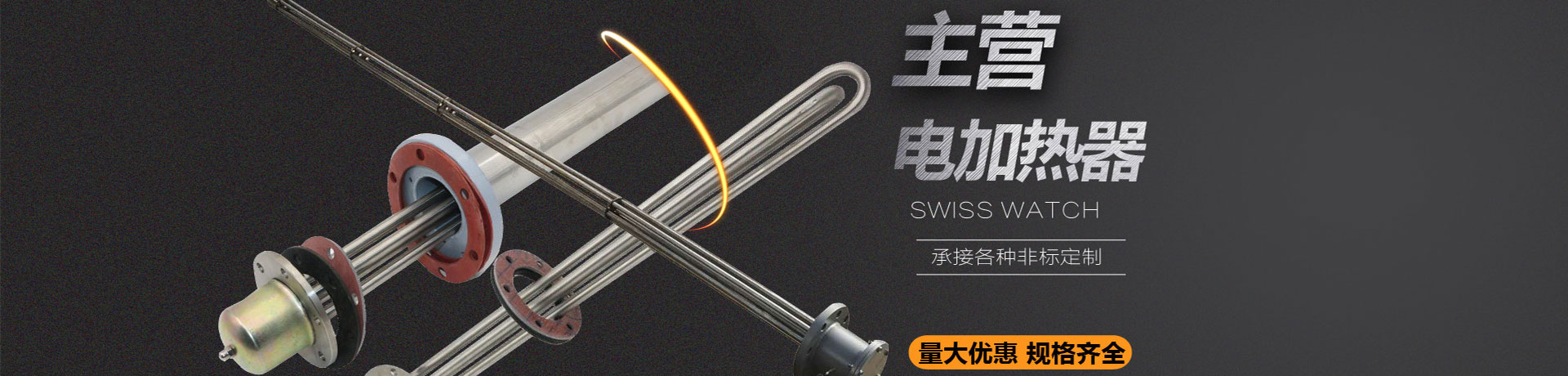
When disassembling and assembling large bolts at maintenance sites, problems are often encountered such as a mismatch between the heating rod power and bolt specifications, and uneven heating that causes the center hole wall of the bolt to overheat. How to reasonably select the model according to bolt size and heating position is the key to ensuring disassembly efficiency and bolt safety.
When selecting a bolt electric heating rod, the power and length must be determined according to the bolt specifications and heating position to ensure that the center hole wall temperature does not exceed the maximum service temperature of the bolt. Excessive power will cause local overheating, while insufficient power cannot meet the disassembly requirements. It is recommended to select the heating rod diameter and length by referring to the bolt center hole size and heating depth, so that the heating section fully covers the area of the bolt that needs to expand.
Before installation, the heating rod should be energized and heated in air at the rated working voltage for 2-3 minutes to observe whether there is any overheating. At the same time, measure the insulation resistance, which must not be lower than 0.5 MΩ; the leakage current must not exceed 0.5 mA per kilowatt. This inspection can detect moisture or insulation damage in advance and avoid failures after power-on at the site.
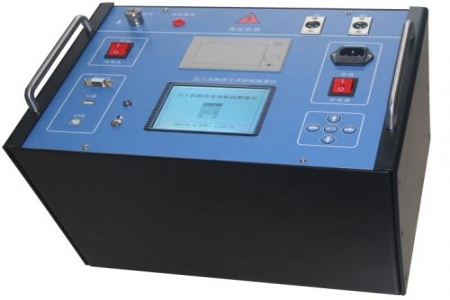
Bolt electric heating rods usually need to be used with a DC adjustable control cabinet. The control cabinet should have features such as stable and adjustable output voltage (e.g., 0~220V range), output circuits that meet multi-channel load requirements, and output power matching the total power of the heating rods. During on-site operation and maintenance, it should be confirmed that the voltage regulation function of the control cabinet is normal, the wiring of each circuit is firm, and the grounding is reliable.
This heating rod is suitable for heating, disassembling, and assembling flange bolts of large equipment in industries such as power, petrochemical, and metallurgy, such as steam turbine cylinder bolts and pipeline flange bolts. In occasions with limited space or where multiple channels need to be heated simultaneously, multi-channel control cabinets can be configured according to the number of bolts to achieve zoned control and synchronous heating.