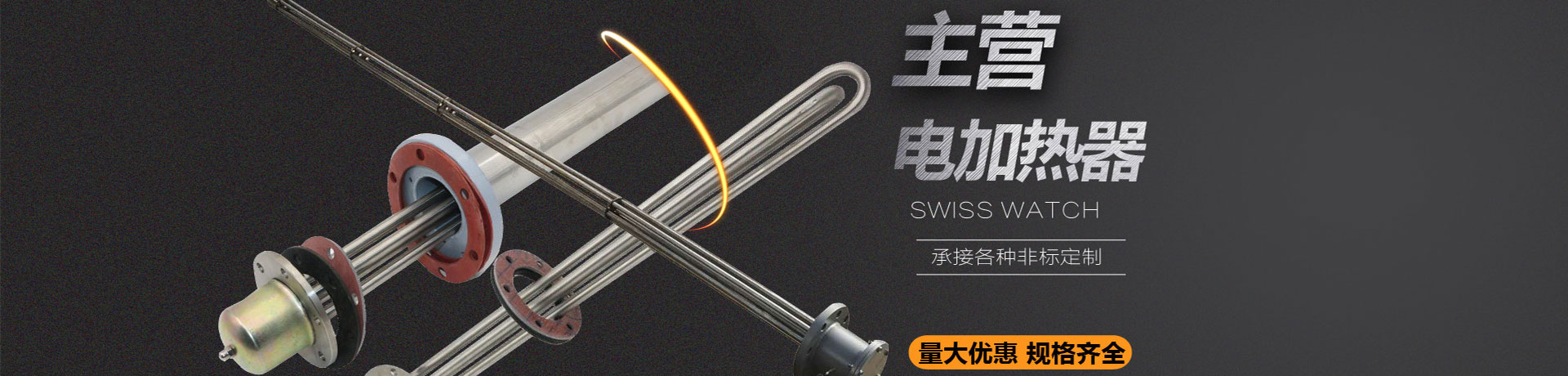
In bolt disassembly and assembly operations for steam turbines, large flanges, and other equipment, improper heating rod selection can lead to low heating efficiency, uneven bolt heating, and even damage to the heating element. Technical engineers often face questions such as: How to determine the power and length of the heating rod based on bolt size? How to keep the heating section away from the threaded area? How to control the temperature of the center hole wall?
The DJR-400 bolt electric heating rod has a rated operating voltage of 220±20V, suitable for conventional industrial power supplies. Power selection should consider bolt specifications, material, and required heating time. For larger-diameter bolts, it is recommended to choose a higher-power model to shorten heating time, but ensure that the center hole wall temperature does not exceed the maximum service temperature of the bolt material. During heating, the working status can be observed through the current indicator on the control cabinet.
This heating rod uses high-temperature-resistant alloy heating wire, with magnesium oxide powder as the insulation layer and a stainless steel tube as the outer shell, providing good mechanical strength and corrosion resistance. The length of the heating section should be customized according to the depth of the bolt center hole, ensuring that the heating section avoids the threaded and nut areas to prevent local overheating. During installation, ensure uniform clearance between the heating rod and the hole wall to facilitate heat conduction.
The DJR-400 bolt electric heating rod is mainly used for heating high-strength bolts during disassembly and assembly of steam turbines, gas turbines, large compressors, and other equipment. It is also suitable for bolt pre-tightening in flange connections, pressure vessels, and other occasions. In maintenance operations in the power, petrochemical, and metallurgical industries, it can be used with a temperature control cabinet to achieve precise heating.
When selecting, provide bolt specifications, center hole dimensions, material, and heating temperature requirements to customize the heating section length and power. During use, regularly check the insulation resistance to avoid moisture. After heating is completed, wait for the bolt to cool to the specified temperature before disassembly to ensure safety.