Electric Heating Furnace
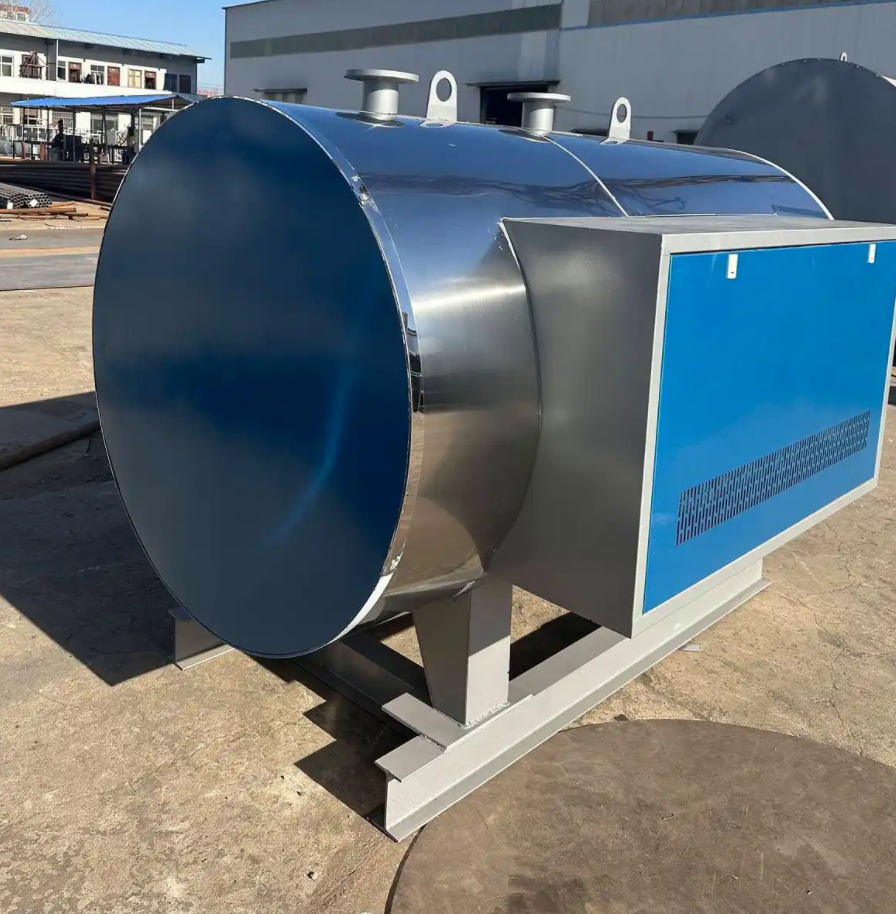
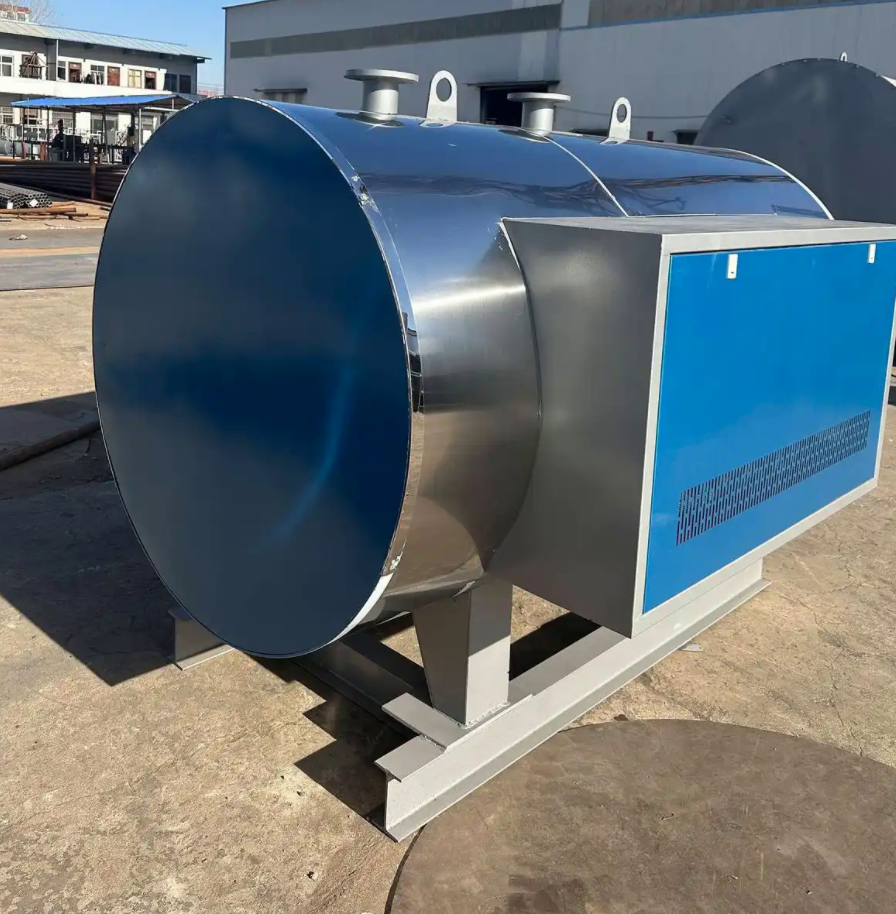
An electric heating furnace is a device that converts electrical energy into thermal energy to heat, melt, or process materials. It is widely used in industrial production and daily life. The following is a systematic introduction to electric heating furnaces:
Working Principle
The core principle of an electric heating furnace is based on the Joule heating effect (Q=I²Rt): when current passes through a high-resistivity heating element (such as resistance wire, silicon carbide rods, molybdenum disilicide rods, etc.), electrical energy is converted into thermal energy, which is then transferred to the materials in the furnace chamber through radiation, conduction, or convection.
Some special types have different principles:
Induction furnace: uses electromagnetic induction to generate eddy currents inside conductive workpieces for self-heating
Arc furnace: uses discharge between electrodes to generate heat
Thermal oil furnace: uses thermal oil as the heat carrier and a circulation pump to force liquid-phase circulation to transfer heat
Table
Download as table
Export as image
Type Features Typical Applications
Resistance furnace Simple structure, good temperature uniformity, working temperature up to 1700°C Annealing, quenching, sintering, ashing
Induction furnace Fast heating, high thermal efficiency (72%~85%), requires conductive workpieces Melting, through heating, surface quenching
Arc furnace Extremely high temperature, suitable for large-scale melting Steelmaking, special alloy smelting
Thermal oil furnace Low pressure, high temperature (up to 350°C), thermal efficiency can reach over 95% Hot pressing plates, rubber vulcanization, chemical heating
Vacuum/atmosphere furnace Can heat in vacuum or protective atmosphere to prevent oxidation Precision heat treatment, new material development
High thermal efficiency: electric-to-thermal conversion efficiency is close to 100%, overall thermal efficiency of industrial resistance furnaces can reach 50%~80%, and thermal oil furnaces can reach over 95%
Precise temperature control: control accuracy can reach ±1°C, supports PID automatic control and programmed multi-stage heating/cooling
Uniform heating: uniform temperature field distribution inside the furnace, suitable for precision heat treatment
Environmentally clean: no combustion emissions, no flue gas or dust pollution, zero carbon emissions
High degree of automation: equipped with over-temperature alarm, thermocouple break protection, leakage protection, and other safety mechanisms
Wide temperature range: conventionally covers 60°C~1700°C, ultra-high temperature furnaces can reach 1800~2600°C
🏭 Main Application Fields
Metallurgical industry: metal annealing, tempering, quenching preheating, brazing, sintering
New energy and materials: lithium battery material sintering, carbon fiber carbonization, photovoltaic silicon wafer processing
Chemical industry: drying, roasting, pyrolysis, catalyst activation
Electronics industry: semiconductor processing, electronic component firing
Machinery manufacturing: carburizing, nitriding, and other heat treatment processes
Laboratories: ash determination (muffle furnace), material analysis, sample digestion
Oilfield extraction: crude oil heating to reduce viscosity for transportation (e.g., Tuha Oilfield has completed 23 units of "gas-to-electric" conversion, reducing annual CO₂ emissions by 31,000 tons)
🛒 Purchasing Points
Key parameters for industrial electric furnace selection:
Temperature requirements: determine the maximum working temperature based on the process, and select the corresponding heating element (resistance wire ≤1200°C, molybdenum disilicide rods ≤1700°C)
Power matching: small laboratory furnaces 1~15kW (220V), medium and large industrial furnaces 15~120kW (380V three-phase)
Chamber size: choose based on workpiece size and batch; small furnaces start at 80×120×200mm, large ones can reach 1500×800×800mm
Temperature control system: prefer PID intelligent temperature controllers, support multi-stage program heating and RS485 communication interface
Safety configuration: over-temperature protection, phase loss alarm, leakage protection, emergency stop switch, etc.
Resistance furnace vs. induction furnace selection reference (mainstream configuration in 2026):
Table
Download as table
Export as image
Comparison Item Resistance Furnace Induction Furnace
Heating efficiency (up to 800°C) 55%~68% 72%~85%
Temperature control accuracy ±1.2~2.5°C ±1.0°C
Applicable material forms Bulk, powder, thin sheets, wires Bars, tubes, rings
Typical power range 3~120 kW 15~500 kW