
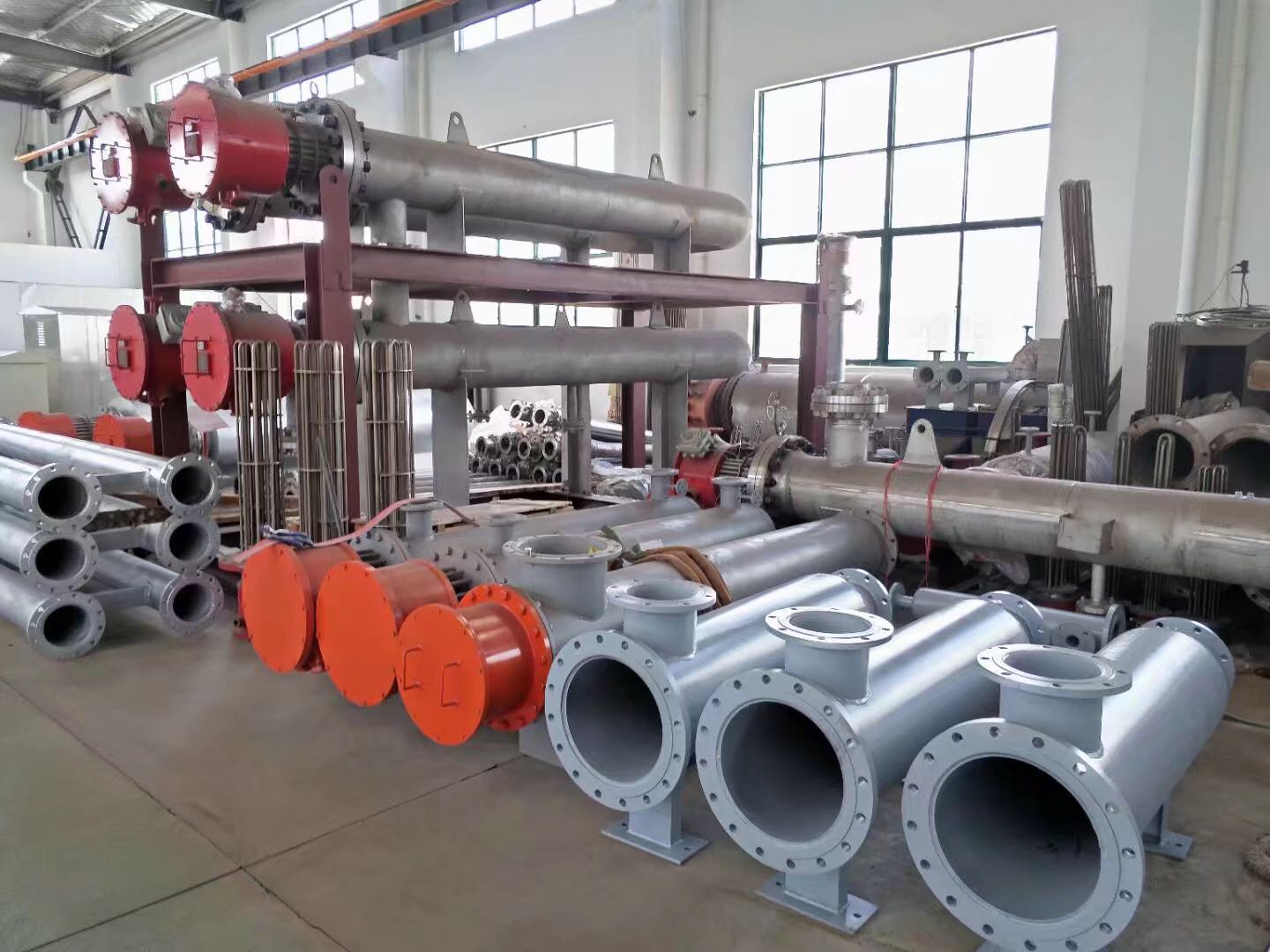
During design and selection, when the hot and cold heat exchanger is used in plastic machinery die head heating or water heater circulation systems, large outlet temperature fluctuations and increased pressure drop often relate to deviations in heat exchange area verification and mismatches between material and medium corrosiveness. The following answers common questions from the perspective of selection comparison.
Cast aluminum heat exchangers are suitable for medium and low temperature uniform heating occasions, with relatively low cost, but limited corrosion resistance. Stainless steel heat exchangers have better corrosion resistance and are suitable for working conditions with strong medium corrosiveness or large temperature fluctuations. Selection requires comprehensive weighing based on medium characteristics, working temperature range, and budget.
Calculate the required area based on heat load, temperature difference, and heat transfer coefficient, and reserve a 10%-20% margin. Insufficient area will lead to outlet temperature not meeting standards, while excessive area increases cost and pressure drop. It is recommended to request the manufacturer's area verification report.
Suppliers should be required to provide factory inspection reports and material certificates to confirm that the heat exchanger material, design pressure, and temperature range meet working condition requirements. After-sales technical support and spare parts supply capabilities should also be included in the evaluation.

