Electric Heating Coil
Electric heating coils are consumables that "work hard" every day on industrial production lines. Choosing the wrong one can lead to fluctuating temperatures and short service life at best, or leakage and downtime at worst. Based on the industrial supporting facilities around Yangzhou and the latest selection logic, I have put together a practical procurement guide for you:
I. Comparison of Mainstream Electric Heating Coil Selection (2026 Actual Measurement Reference)
Type Typical Operating Temperature Core Advantages Applicable Scenarios Average Lifespan (Continuous Operation)
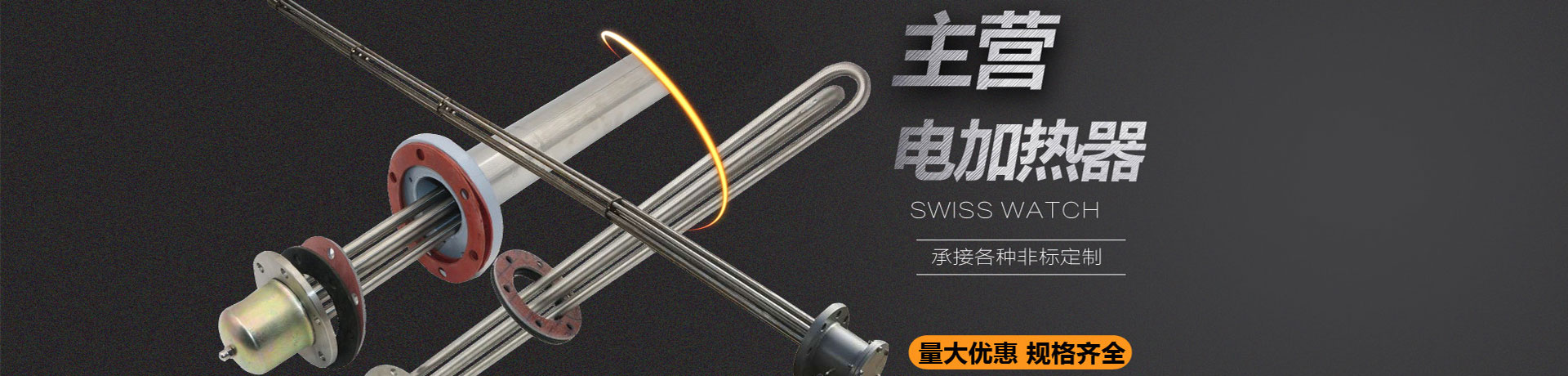
Tubular Electric Heating Coil 100–400℃ Compact structure, fast heating, low cost, easy replacement Small and medium-tonnage injection molding machines, packaging machinery, extrusion sections with less demanding temperature requirements 8,000–12,000 hours
Mica Electric Heating Coil 150–500℃ Uniform surface heating, good insulation, customizable special-shaped curved surfaces Bimetal temperature-sensitive zones, mold heating plates requiring large-area stable temperature, old equipment retrofitting 6,000–10,000 hours
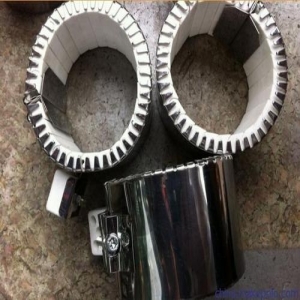
Ceramic Electric Heating Coil 300–700℃ Strong corrosion resistance, good thermal shock resistance, stable surface temperature distribution Highly corrosive materials (such as PVC, halogen-containing plastics), high-temperature extrusion, food and pharmaceutical grade equipment 10,000–15,000 hours
Cast Aluminum/Cast Copper Coil 200–500℃ Extremely fast heat conduction, high mechanical strength, with thermocouple integration holes High-precision injection molding, medical consumable extrusion, multi-zone temperature linkage control systems Depends on process
II. Procurement Pitfall Avoidance Guide: 5 Core Parameters and Common Misconceptions
Looking only at power, not matching: The key is to see whether the "power per unit area (W/cm²)" matches the heat dissipation capacity of the equipment. For conventional ceramic coils, it is recommended to choose the 2.0–2.8 W/cm² range; exceeding this can easily cause local overheating and cracking.
Temperature rating ≠ actual temperature control capability: A certain coil is labeled "maximum 600℃", but if the matched temperature controller responds slowly and the sensor position is incorrect, the actual temperature fluctuation may reach ±25℃. It is recommended to prioritize models with built-in thermocouples and PID feedback support.
Material ≠ universal: Mica coils are afraid of moisture and vibration, ceramic coils are high-temperature resistant but brittle, and tubular coils are easy to install but prone to local overheating. There is no "all-purpose model", only a "more suitable one".
Ignoring installation dimensional tolerances: For an electric heating coil nominally Φ120×50mm, an actual outer diameter deviation of ±1.5mm may prevent it from fitting tightly against the barrel, reducing heat transfer efficiency by more than 30%. When purchasing, be sure to confirm the actual measured values of inner diameter, thickness, arc radius, etc.
Equating "factory direct sales" with "reliable technology": Some small workshops can make products with similar appearances, but the resistance wire winding tension is uneven and the insulation layer thickness is insufficient, causing breakdown after one week of continuous operation. It is recommended to prioritize checking whether there are factory inspection reports and whether a warranty of more than 3 months is provided.
III. Recommended High-Quality Manufacturers in Yangzhou and Surrounding Areas
Yangzhou and its surrounding areas (especially Yancheng, Xinghua, Dongtai, etc.) are core industrial belts for electric heating elements in China, making procurement and after-sales response very convenient:
Yancheng Taiya Electric Heating Appliance Co., Ltd.: Focuses on dual-line production of cast heating coils and ceramic heaters. Its ceramic electric heating coils use 96% high-purity alumina substrate + double-layer vacuum powder filling process, and after sintering undergo 24-hour stepped heating and cooling aging tests, making them particularly suitable for automated production lines with high batch consistency requirements.
Jiangsu Tongya Electric Heating Technology Co., Ltd.: Has 40 years of R&D and production history in electric heating products, has obtained EU CE certification and high-tech enterprise recognition. Mica heating coils have the characteristics of good insulation, high temperature resistance, and high thermal efficiency, and have long supplied well-known enterprises such as Sinopec and Haier, supporting non-standard customization.
Yancheng Hengneng Electric Heating Machinery Co., Ltd.: With 18 years of industry experience, its product thermal efficiency is 15-20% higher than the industry average. It uses German imported mica sheets and Japanese resistance wires, with a lifespan of more than 50,000 hours and a failure rate of less than 0.5%.
Jiangsu Xinghua Fengcheng Electric Heating Appliance Co., Ltd.: Focuses on lightweight structural design of heating coils, using thin-walled aluminum alloy shells and high-density mica sheet composite insulation. Under the same power, the weight is reduced by about 22%, making it convenient for rapid replacement by injection molding machine manipulators; the standard series supports IEC60529 IP54 protection rating, suitable for cost reduction and efficiency improvement needs in production line automation upgrades.
Dongtai Rexin Electric Heating Appliance Co., Ltd.: Integrates R&D, production, and sales, with prices 15%-25% lower than traders, supporting minimum orders of 50 pieces. Small batch orders are delivered in 24-48 hours, and regular orders in 3-5 days, providing one-stop supply of "electric heating elements + temperature control instruments + installation accessories".
IV. Troubleshooting and Maintenance Recommendations
In daily maintenance, if the heating coil does not work or the temperature is abnormal, troubleshoot according to the following steps:
Appearance and connection inspection: Observe whether the heating coil body has cracks, deformation, or burning; check whether the wiring terminals are loose, oxidized and blackened, or rusted stuck.
Power supply system troubleshooting: Use a multimeter in AC mode to measure the voltage at the incoming line end. For a 380V circuit, the voltage between three-phase lines should be balanced (allowable deviation ±5%).
Heating coil body detection: Disconnect the wiring and use a multimeter in resistance mode to measure the resistance at both ends. If the resistance is infinite, it indicates that the internal heating wire is broken; if the resistance is 0, it indicates an internal short circuit. Use a 500V megohmmeter to measure insulation resistance. If it is lower than 0.5MΩ, it indicates that the insulation layer is damaged and needs to be replaced.
Installation gap inspection: The gap between the heating coil and the heated body should be controlled within 0.1mm-1mm, and the contact area must reach more than 80%, otherwise the heat transfer efficiency will drop significantly.