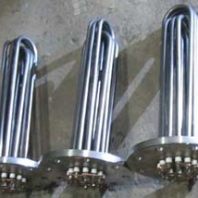
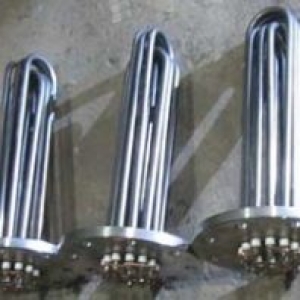
QZD220 Frame Type Electric Heater
Product Description
This catalog is carefully selected for you by Yangzhou Darui Co., Ltd.:
Electric heating is the process of converting electrical energy into thermal energy. Since the discovery that electric current can produce thermal effects when passing through conductors, many inventors around the world have been engaged in the research and manufacturing of various electric heating appliances. The development and widespread application of electric heating, like other industries, follows a pattern: gradually spreading from advanced countries to the rest of the world; from cities to rural areas; from collective use to household and individual use; and from low-end to high-end products. In the 19th century, electric heating appliances in their infancy were mostly crude. The earliest ones were for domestic use. In 1893, the prototype of the electric iron first appeared and was used in the United States. Then in 1909, the electric stove came into use, where an electric heater was placed in the stove, meaning heating shifted from firewood to electricity, i.e., from electrical energy to thermal energy. However, the rapid development of the electric heating appliance industry truly began after the invention of the nickel-chromium alloy used as heating elements. In 1910, the United States first successfully developed an electric iron using nickel-chromium alloy heating wire, which fundamentally improved the structure of the iron and led to its rapid popularization. By 1925, products with electric heating elements installed in pots in Japan became the prototype of the modern rice cooker. During this period, industrial electric heating products such as laboratory electric furnaces, glue melting furnaces, and heaters also emerged. The years from 1910 to 1925 were a major development phase in the history of electric heating appliances. In both household and industrial sectors, the emergence and widespread application of various types of electric heating appliances grew rapidly, especially in the household sector. Therefore, the invention of the nickel-chromium alloy laid the foundation for the development of the electric heating appliance industry.
After the 1920s, there were not as many new application developments as in the previous period, but during this phase, all kinds of electric heating appliances were redesigned and continuously improved, marking a period of advancement in the history of electric heating appliances. In household electric heating appliances, various devices were designed to be more aesthetically pleasing, durable, and robust, and most were equipped with automatic temperature and time controls.
QZD220 Frame Type Electric Heater manufactures frame type heaters, heat treatment temperature control equipment, flux ovens, heat treatment furnaces, etc. Frame type heaters have been widely used in national key projects for many years, involving industries such as shipbuilding and pressure vessels for local and overall heat treatment.
This heater can be arranged inside large pressure vessels such as spherical tanks and horizontal tanks to perform overall heat treatment on workpieces.
QZD220 Frame Type Electric Heater
An electric heater refers to an electrical appliance that uses electrical energy to achieve heating effects. It is compact in size, has high heating power, and is widely used. It adopts intelligent control modes with high temperature control accuracy and can be connected to a computer network. It has a wide range of applications, long lifespan, and high reliability. The core of the heater principle is energy conversion, with the most common being the conversion of electrical energy into thermal energy.
Heaters are common electric heating devices. People are increasingly dependent on them.
For example, an electric heater uses metal in an alternating magnetic field to generate eddy currents, causing itself to heat up and absorb energy, converting electrical energy into light energy; for example, a solar water heater absorbs solar radiation heat and solar light energy (photoelectric effect) and converts them into thermal energy, combining both. Bioenergy is a form of energy stored as chemical energy using organisms as carriers, directly or indirectly derived from plant photosynthesis. In addition, there are other energy conversion modes such as nuclear energy and wind energy, but they generally need to be converted into electrical energy for use.